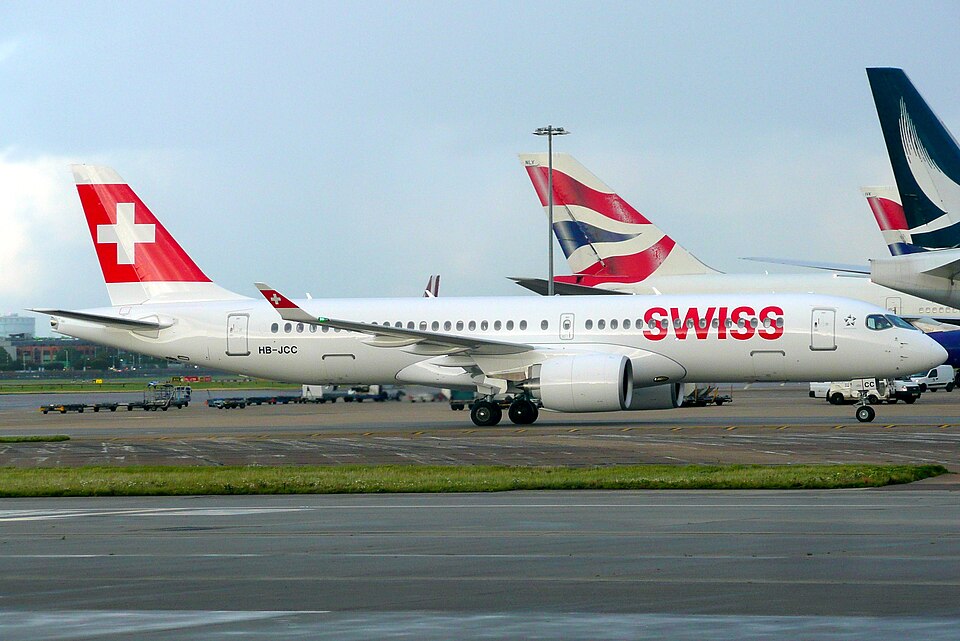
Flight Details
On 15 July 2018, Swiss International Air Lines flight LX2077, an Airbus A220-300 registered as HB-JCC, was operating a scheduled passenger flight from Porto Airport (LPPR), Portugal, to Geneva Airport (LSGG), Switzerland. The aircraft carried two pilots, three cabin crew members, and 41 passengers.
Event Sequence
At 01:59:36 UTC, the aircraft received clearance from the local controller and taxied to runway 35, positioning at intersection C. During the takeoff roll, the spoilers deployed unexpectedly, causing a loss of lift and thrust. The flight crew rejected the takeoff at high speed. The aircraft decelerated and came to a stop on the runway. The crew then initiated an emergency evacuation; passengers left the aircraft via the evacuation slides.
Investigation Findings
The Swiss Transportation Safety Investigation Board (STSB) opened an investigation on 25 July 2018. The investigation determined that the serious incident was classified as a non-compliance with standard operating procedures. The exact cause of the spoiler deployment was analyzed, but the report does not state a formal probable cause in the provided text.