Incident Overview
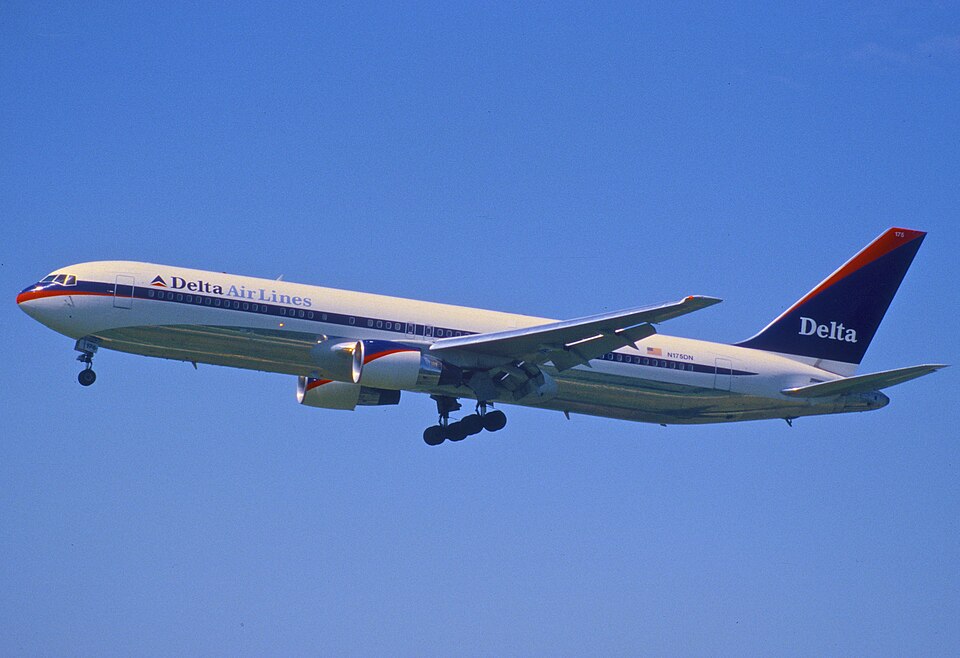
On December 28, 2005, at 09:14 UTC, a Delta Air Lines Boeing 767-300ER, registration N175DN, operating scheduled flight DL67 from Zurich Airport, experienced an engine failure shortly after departure. The aircraft had departed runway 14 at 09:07 UTC under IFR. While climbing through approximately 8000 feet, a loud bang was heard from engine #2, accompanied by vibration and a rise in exhaust gas temperature (EGT). The flight crew shut down the affected engine, declared an emergency, and performed an overweight landing back at Zurich Airport on runway 14 at 09:19 UTC.
Post-Landing Events
After landing, brake temperatures increased, causing the fuses of some tires to blow out while the aircraft was taxiing. Passengers disembarked via the left-hand front door using a stairway.
Investigation Findings
The initial inspection of the contained engine failure revealed damage to the 5th stage of the high-pressure compressor (HPC). The investigation authority concluded that at no time was there any severe risk or danger to passengers, crew, or the aircraft itself. The crew's decision to return to Zurich was deemed correct, and the approach and landing were performed according to the appropriate checklists. The root cause of the engine failure is to be investigated internally by Delta Air Lines.
Investigation Closure
The Swiss aircraft accident investigation bureau (BFU) has ceased its investigation, stating that after a careful review and assessment of all relevant facts, no further action was required. The case is considered closed.