Incident Overview
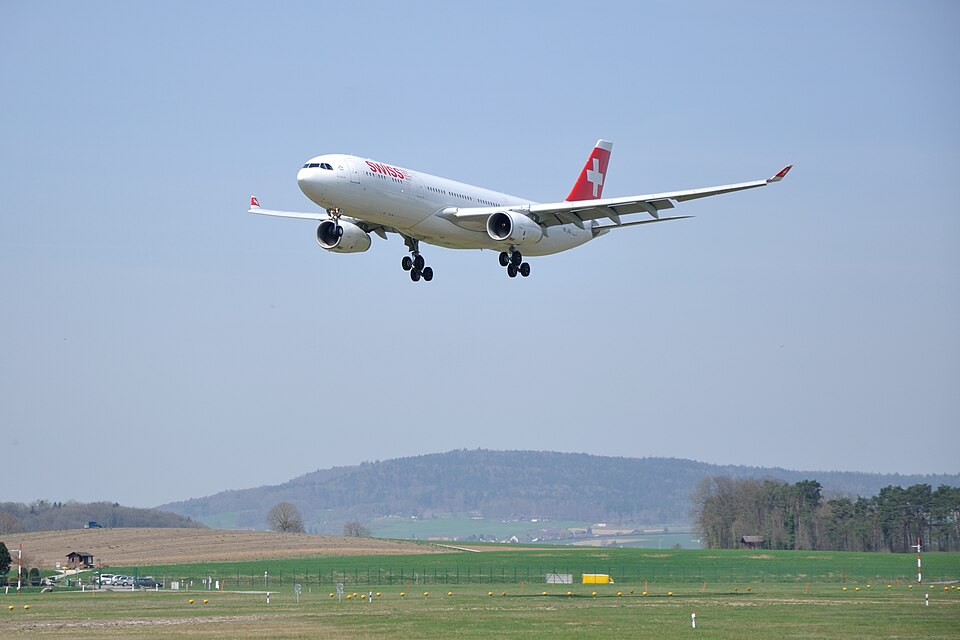
On 22 March 2013, a serious incident (airprox) occurred between an AVRO 146-RJ100, registration HB-IYU, operated by Swiss European Air Lines as flight SWR 119D, and an A330-343, registration HB-JHD, operated by Swiss International Air Lines as flight SWR 18. The event took place in the Zurich Terminal Manoeuvring Area (TMA), approximately 4.5 nautical miles southwest of Zurich Airport.
Aircraft and Crews
Flight SWR 119D was an AVRO 146-RJ100; flight SWR 18 was an A330-343. The report provides details on the flight crews, including the commanders and copilots of both aircraft, as well as their flight experience. Additionally, the report describes the air traffic controllers on duty, including the ADC controller, the DEP instructor, and a DEP trainee, along with their qualifications and experience.
Investigation and Analysis
The Swiss Transportation Safety Investigation Board (STSB) conducted the investigation. The analysis covered technical aspects, human and operational factors. The report also examines the organization of the air traffic services provider Skyguide, including on-the-job training and procedures for serious incidents.
Meteorological and Environmental Conditions
The report includes information on the general weather situation, weather at the time of the incident, astronomical data, and airport weather reports. A webcam image was also reviewed.
Communication and Airport Information
Communication between the aircraft and air traffic control is documented. The report describes the airport layout, airspace structure, standard instrument departure routes, and the working positions in the Zurich air traffic control centre.
Warning Systems
Both airborne and ground-based warning systems are described in the report.