What happened
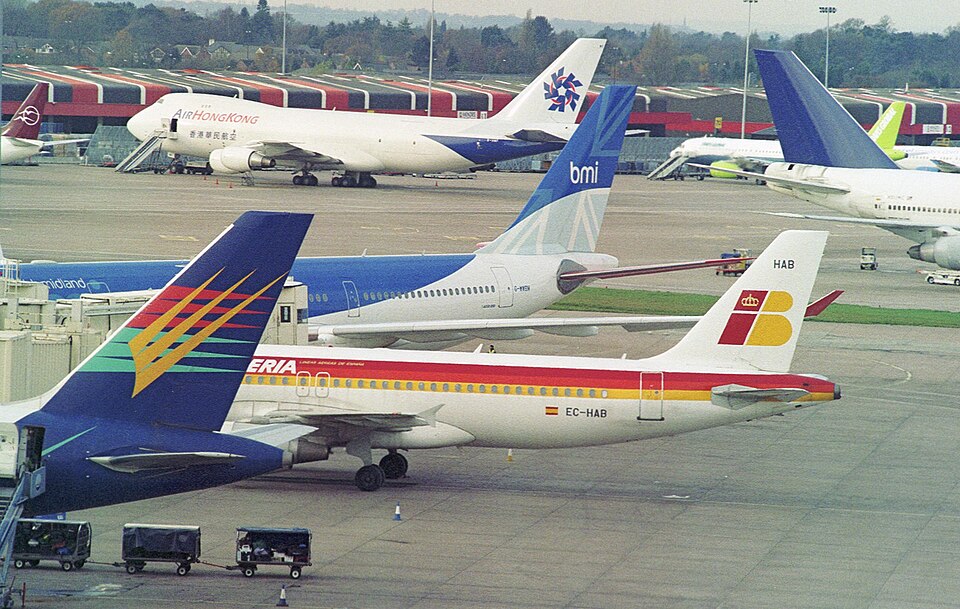
On April 21, 2004, a serious airprox incident occurred near Zurich, Switzerland, involving two aircraft on intersecting flight paths. The first aircraft, a Raytheon Hawker 800XP operating as NJE 2754, was descending from flight level 350 toward Lugano. Simultaneously, an Airbus A320-214 operated by Iberia, flight IBE 3500, was cruising at flight level 320.
During the approach to the ODINA waypoint, the air traffic controller issued a descent instruction to a third aircraft, a Ryanair Boeing 737. However, the crew of the Raytheon Hawker 800XP mistakenly believed the instruction applied to them and read back a descent to flight level 290. This error caused the Raytheon Hawker 800XP to descend through the altitude of the Iberia aircraft. As the two planes approached a crossing point, the crew of the Airbus A320-214 received a TCAS Traffic Advisory (TA) and subsequently a Resolution Advisory (RA), forcing a descent to avoid a collision. The crew of the Raytheon Hawker 800XP also experienced TCAS alerts and performed maneuvers to maintain separation.
The investigation
SUST examined the radio communications, radar data, and flight recordings from both aircraft. The investigation focused on the sequence of transmissions in the Zurich M2 sector. Investigators analyzed the moment the controller issued a descent command to Ryanair 3745, which was instead acknowledged by NJE 22754.
Radar logs confirmed that the Raytheon Hawker 800XP began descending below its assigned altitude, eventually crossing directly above the Iberia aircraft. The investigation also looked into the controller's workload and the presence of the Radar Planner, who had briefly left his station to retrieve writing materials, potentially missing the critical moment of the miscommunication.
Findings
- The primary cause was a communication error where the crew of NJE 2754 incorrectly read back a descent instruction intended for a different aircraft.
- The similarity in call signs (Skyshare/NetJets vs. Ryanair) and the phonetic similarity between the numbers in the call signs (2754 vs. 3745) contributed to the confusion.
- High radio frequency congestion during a busy period of traffic increased the likelihood of the misunderstanding.
- The crew of the Raytheon Hawker 800XP had an expectation of descending to reach a lower altitude for their upcoming arrival, which biased their interpretation of the controller's instruction.
- The TCAS system functioned correctly, providing the necessary resolution advisories to prevent a mid-air collision.