What happened
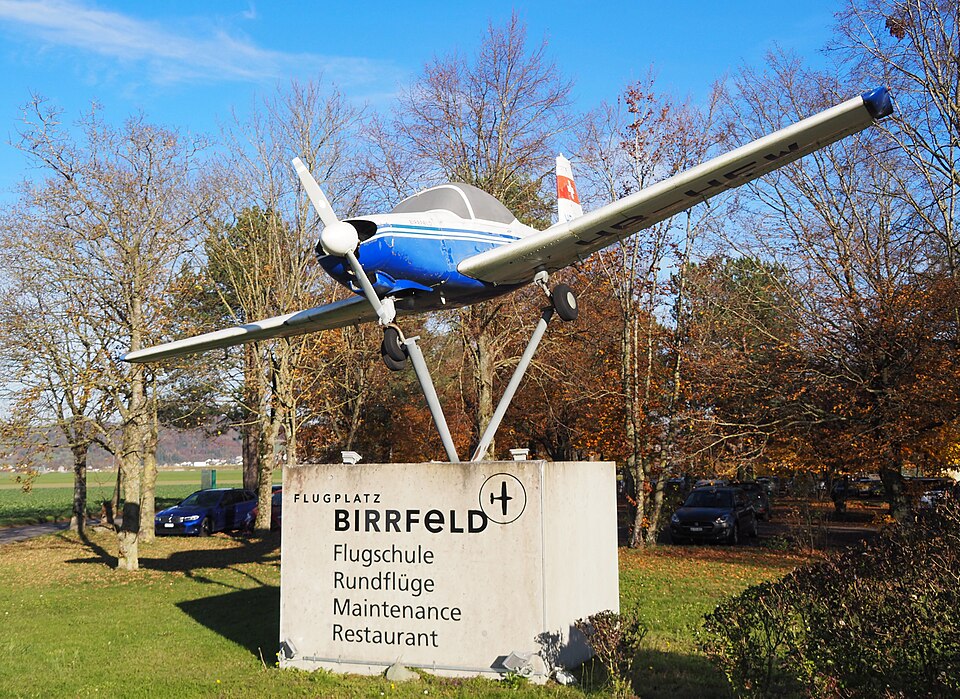
On May 30, 1977, a pilot operating an AS 202/15 Bravo, registration HB-HEW, initiated a VFR flight from Birrfeld to Ascona with two passengers. After departing Birrfeld, the flight path took the aircraft over the Grimsel and Nufenen passes toward the Bedretto Valley. While navigating the Toggio reservoir, the pilot performed a 360-degree turn to gain altitude before descending into the Fiorina Valley.
Upon entering the valley, the pilot encountered developing convective clouds with a base of approximately 2,000 meters, which were thickening in the lower elevations. Fearing the risk of continuing south, the pilot attempted to climb and turn northwest toward the Cavagnöö Glacier. During the execution of a turning maneuver, the aircraft's stall warning horn activated. The pilot immediately ceased the turn and applied back pressure to prevent a stall; however, due to the rising terrain and insufficient altitude, a safe continuation of the flight was impossible. The aircraft performed a forced landing on the snow-covered glacier, striking the surface with the main landing gear and subsequently capsizing. The pilot and two passengers remained in the aircraft overnight until they were rescued by a military helicopter the following morning.
The investigation
The investigation established that the pilot held a valid private pilot license and that no relevant health issues were identified. The aircraft, owned by Fliegerschule Birrfeld AG, was airworthy, with its weight and center of gravity within permissible limits. Maintenance records showed recent 50-hour and 100-hour inspections were up to date. The investigation focused on the pilot's decision-making regarding altitude and the tactical approach to the mountainous terrain.
Findings
- The pilot's decision to initiate a descent into the Fiorina Valley before confirming that the route to Maggiatal was clear of obstructions was incorrect.
- The pilot failed to maintain sufficient altitude and speed reserves, which are essential for performing safe turns in mountainous terrain.
- Improper flight tactics in mountainous terrain and the pilot's limited flight experience contributed to the occurrence.
- The pilot's actions following the accident, including the use of the ELT and attempts to establish radio contact, were considered prudent and appropriate.