Background
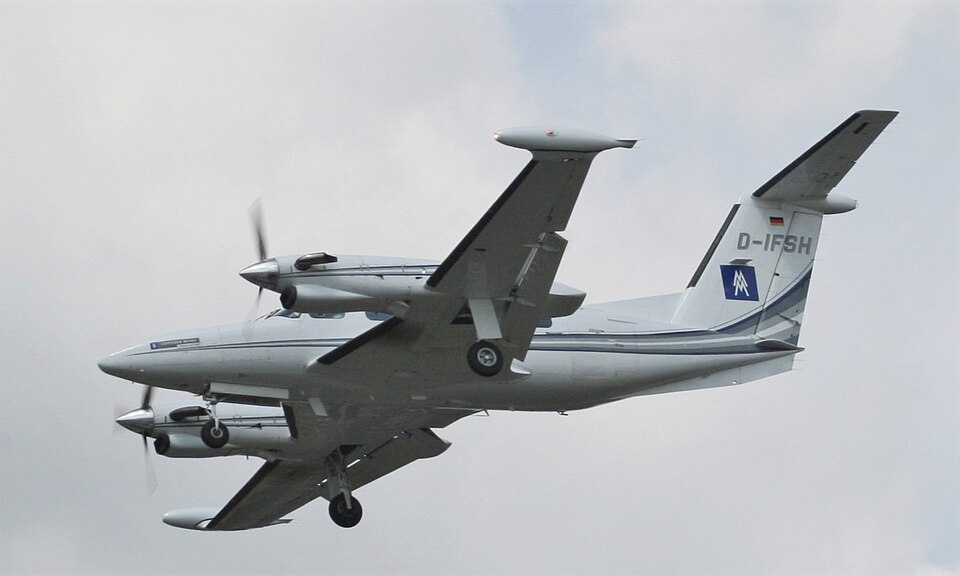
The aircraft, a Piper Cheyenne PA-42 registered as D-IFSH, was operating a scheduled flight (RUS 1050) from Leipzig to Zurich on 28 October 2003. The flight was conducted under Cirrus Aviation. The accident occurred at Zurich Airport (LSZH) during an instrument landing system (ILS) approach to runway 14.
Flight History
According to the investigation report by the Swiss Aircraft Accident Investigation Bureau (AAIB), the flight preparation and approach were conducted under instrument meteorological conditions. The crew consisted of a commander and a copilot. The approach was initiated in low visibility conditions, with runway visual range reported via ATIS. The aircraft deviated from the intended flight path and touched down adjacent to the runway. After touchdown, the aircraft rolled out on soft ground, sustaining damage.
Aircraft Information
The PA-42 was equipped with a King KFC 300 flight control system and a Garmin GNS 430 navigation system. The aircraft had a two-pilot crew and was approved for all-weather operations. Post-accident examinations included a localizer test and inspection of the commander's attitude reference and the DH (decision height) warning system. The copilot's altimeter was also examined.
Investigation Findings
The AAIB analyzed technical aspects, human factors, and operational procedures. The report noted that the approach briefing and crew resource management were relevant to the accident sequence. The aircraft's equipment for two-man operation and all-weather capability were considered. The fuel reserves and use of flight management systems were also reviewed. The final report concluded with findings on the circumstances and causes of the accident, emphasizing the need to prevent future occurrences.
Probable Cause
The investigation report did not explicitly state a probable cause in the provided excerpt; therefore, no cause is listed here.