Factual Information
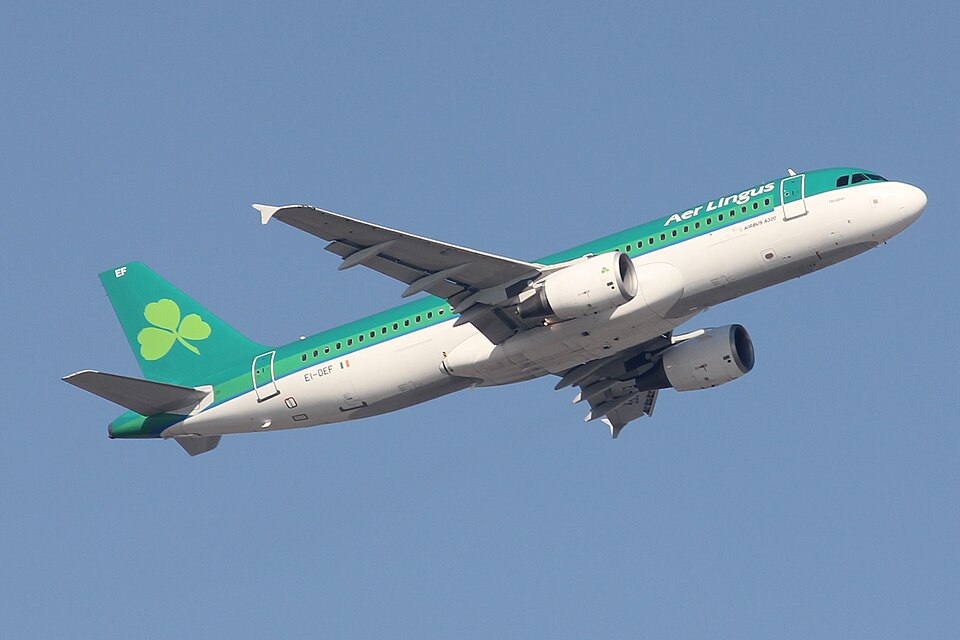
On 24 July 2015, a serious incident (AIRPROX) occurred at Geneva Airport (LSGG) involving an Airbus A320-214 (registration EI-DEF, call sign EIN68N) operated by Aer Lingus on a scheduled flight to Dublin, and a Cessna C525 (registration N990FV) in private operation. At the time of the incident, the Cessna was cleared by the ground controller (GND) to 'line up and wait' on taxiway Z. However, the Cessna crew passed the runway holding position CAT I Z and entered the runway without authorization. Simultaneously, the aerodrome controller (ADC) had cleared the Airbus A320 for take-off from runway 05. The Airbus crew executed a rejected take-off after receiving a RIMCAS warning, and both aircraft were safely separated.
Analysis
The investigation determined that the Cessna crew misinterpreted the clearance and crossed the holding position. The airport layout on taxiway Z, including markings and stop bars, was identified as a contributing factor. The stop bars were not activated at the time. The GND controller had cleared the Cessna to 'line up and wait' but did not specify a specific holding point, and the crew proceeded past the CAT I holding position. The ADC controller cleared the Airbus for take-off without verifying that the runway was clear of all traffic. The RIMCAS safety net provided a warning, prompting the Airbus crew to abort the take-off.
Conclusions
The serious incident is due to the fact that the crew of the Cessna 525 aircraft passed the runway holding position CAT I Z when cleared to 'line up and wait' by the ground controller. The aerodrome controller subsequently cleared the Airbus A320 for take-off. No injuries were reported. The investigation also highlighted safety deficits related to the design of taxiway Z, the use of stop bars, and air traffic control procedures, leading to several safety recommendations.