Accident Summary
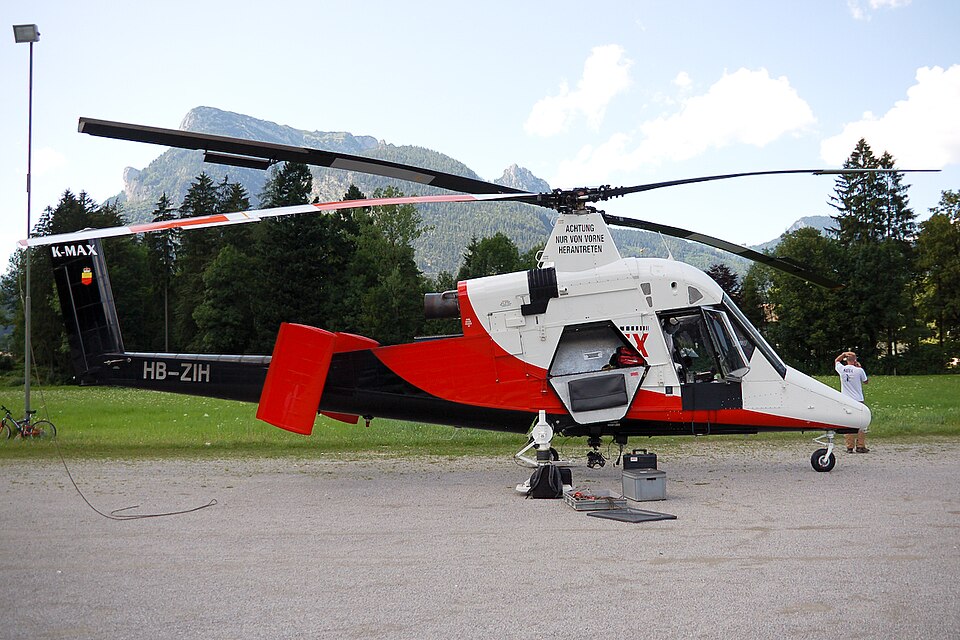
On 29 September 2016 at approximately 08:30 local time, a Kaman K-1200 helicopter registered as HB-ZIH was involved in an accident during a logging operation about 2 km northeast of Fanas, in the canton of Graubünden, Switzerland. The aircraft, operated by Rotex Helicopter AG, was engaged in timber extraction when a released sling struck a forestry worker, resulting in serious head and chest injuries. The Swiss Transportation Safety Investigation Board (STSB) opened an investigation the same day.
Aircraft and Personnel
The helicopter, a Kaman K-1200 (serial number not specified), was owned and operated by Rotex Helicopter AG of Balzers. The pilot held a valid license and was experienced in logging operations. A flight helper and a forestry worker were also involved. The forestry worker, a male Swiss national, was present at the drop site.
Occurrence
During the logging operation, the pilot released a metallic sling from the helicopter. The sling struck the forestry worker in the head and torso, causing serious injuries. The incident occurred at a location where the pilot did not have a complete view of the drop zone. Communication between the crew and the forestry worker was described as inadequate for the situation.
Causal Factors
The investigation identified two causal factors beyond the primary cause:
- The pilot released the sling autonomously in an area where he lacked full visual oversight.
- Communication was inadequate relative to the situation.
Investigation Findings
No technical defects with the helicopter were reported. The weather was not a contributing factor; conditions were suitable for the operation. The helicopter sustained no damage. The investigation relied on statements from the pilot, flight helper, and forestry worker.
Probable Cause
The accident occurred because a forestry worker present in the danger zone of the drop site during a logging operation was struck on the head and torso by a released metallic sling and seriously injured.