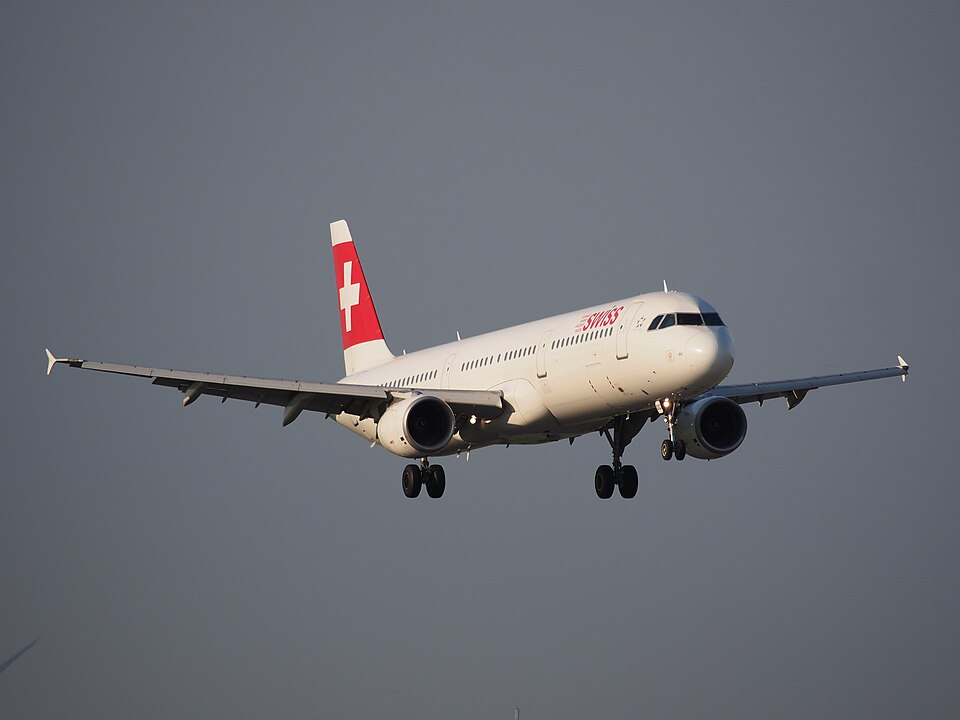
Incident Overview
On 15 April 2018 at 06:20 UTC, an Airbus A321-111 (registration HB-IOC) operating Swiss International Air Lines flight SWR28GR from Zurich to Geneva, and a hot air balloon (registration HB-QPY, type Ultramagic T-180) operated by Ballons du Léman Sarl, experienced a dangerous approach approximately 10 NM northeast of the Saint-Prex radio beacon. The minimum horizontal separation was 0.3 NM with zero vertical separation at an altitude of 8800 ft AMSL. The prescribed separation minima in Class C airspace are 5 NM horizontally or 1000 ft vertically. The Airprox was classified as ICAO Category A.
Flight Details
The balloon departed Sullens (VD) at 05:35 UTC with seven passengers. The pilot expected light northeasterly winds, but experienced stronger winds. The batteries for his GPS and VHF radio were nearly empty and failed during the flight. He used a mobile phone with a flight program and barometric altimeter to navigate. He believed he was below the TMA lower limit of 7500 ft AMSL and did not contact another balloon pilot.
The A321 was on an approach to Geneva under radar guidance. At 06:19:36 UTC, the crew reported sighting a hot air balloon ahead and deviated approximately 10 degrees to the right. They passed the balloon at a distance of 500 m at the same altitude. The balloon occupants saw the Swiss aircraft slightly above initiating a turn.
Meteorological Conditions
The weather was sunny with some cirrus and altocumulus, visibility 45 km, wind at 7000 ft from 170° at 10 kt, temperature 4°C, dew point -5°C, QNH 1014 hPa.
Analysis
The balloon was not equipped with a transponder. This prevented air traffic control from providing traffic information or receiving conflict alerts via the Short Term Conflict Alert System (STCA). The A321's Traffic Alert and Collision Avoidance System (TCAS) could not detect the balloon, so no Resolution Advisory was issued. The A321 crew relied on visual acquisition due to good visibility.
Similar Incidents
A comparable near-collision occurred on 11 August 2012 between an A340 and a glider near Zurich, where the glider also lacked a transponder. That incident led to safety recommendation No. 466, suggesting the establishment of Transponder Mandatory Zones (TMZ) around Swiss airports. Multiple similar cases have since occurred, leading the Swiss Transportation Safety Investigation Board (STSB) to conclude this investigation with a summary report.