Hot Air Balloon Intrusion Triggers Near-Collision with Commercial Aircraft in Swiss Airspace

Casualties unknown • Zürich, ZH, CH

A hot air balloon entered controlled airspace without authorization, leading to a dangerous close proximity with an Avro RJ100 on approach to Zurich.

What happened

On June 3, 2015, a serious airprox incident occurred within the Zurich Terminal Control Area (TMA). A Cameron A-160 hot air balloon, registration HB-BYI, entered Class C airspace without obtaining prior clearance from air traffic control. During this period, an Avro RJ100, registration HB-IYW, operated by Swiss Global Air Lines AG, was conducting a radar-guided approach to Zurich Airport. The unauthorized presence of the balloon in the controlled zone resulted in a dangerous proximity between the two aircraft.

The investigation

An investigation by the Swiss Transportation Safety Investigation Board (SUST) established that the balloon pilot operated within the TMA without authorization, although the transponder remained active. The investigation examined the technical performance of ground-based warning systems, the visibility of VFR traffic on controller radar screens, and the communication protocols between the balloon pilot and air traffic services. The inquiry also reviewed the programming of the Short Term Conflict Alert (STCA) and the training standards for balloon pilots regarding airspace boundaries and altitude instrumentation.

Findings

Findings indicate that the primary cause of the incident was the unauthorized entry of the hot air balloon into Class C airspace without air traffic control authorization. This was compounded by the balloon pilot's insufficient awareness of the required separation minima within the TMA and a reluctance to contact air traffic services.

Several systemic contributing factors were identified:

  • The ground-based STCA system was programmed to ignore targets with ground speeds below 30 knots, meaning it failed to trigger an alert for the slow-moving balloon.
  • VFR traffic, including the balloon, appeared in a subtle light brown color on controller radar screens, making it difficult to detect unauthorized incursions.
  • There was a lack of automated warning systems to alert controllers of unauthorized VFR entries into the TMA.
  • A general deficit in knowledge regarding the proper use of altimeters and transponders was noted among some pilots.

Safety action

Following the incident, several safety recommendations were issued to the Federal Office of Civil Aviation (FOCA) and Skyguide. These include improving the STCA programming to include slow-moving aircraft, developing systems to better alert controllers to unauthorized VFR airspace incursions, and establishing periodic competency checks and further training for balloon pilots. Additionally, recommendations were made to simplify the airspace structure around major Swiss airports to reduce the risk of accidental incursions by light aircraft.

Probable cause

The unauthorized entry of a hot air balloon into controlled airspace, driven by the pilot's lack of awareness regarding separation requirements and a failure to contact air traffic control, combined with a ground-based conflict alert system that was unable to detect slow-moving targets.

Frequently asked questions

What happened in the 2015-06-02 BRITISH AEROSPACE (REGIONAL AIRCRAFT) LTD AVRO 146-RJ100 accident near Zürich, ZH, CH?

A hot air balloon entered controlled airspace without authorization, leading to a dangerous close proximity with an Avro RJ100 on approach to Zurich.

What aircraft was involved and where did it happen?

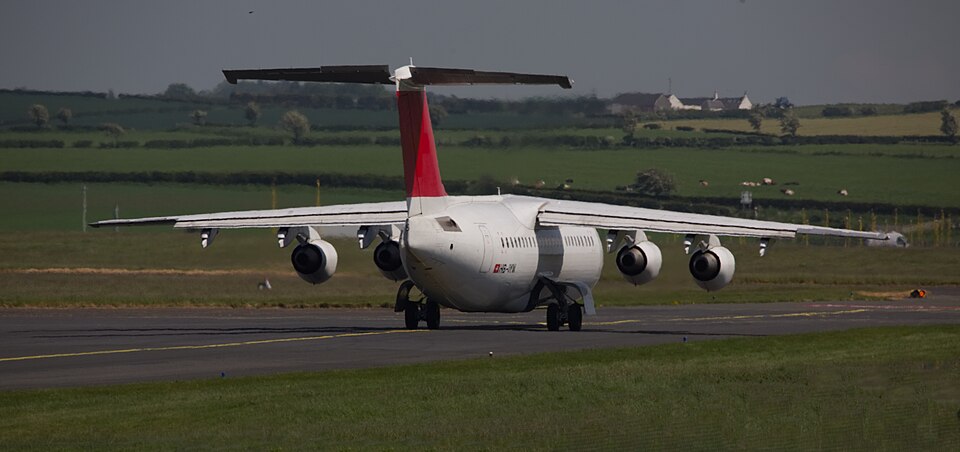
The accident on 2015-06-02 involved a BRITISH AEROSPACE (REGIONAL AIRCRAFT) LTD AVRO 146-RJ100, registration HB-IYW, at Zürich, ZH, CH.

What was the probable cause of the accident?

The unauthorized entry of a hot air balloon into controlled airspace, driven by the pilot's lack of awareness regarding separation requirements and a failure to contact air traffic control, combined with a ground-based conflict alert system that was unable to detect slow-moving targets.

Investigation report by the Swiss Transportation Safety Investigation Board (STSB / SUST). Original record: https://www.sust.admin.ch/inhalte/AV-berichte/2294.pdf. This page is a structured re-presentation; facts and quotes are in the Swiss Transportation Safety Investigation Board (STSB), Switzerland.

Loading the flight search…

What you can do on Flight Finder

  • Search flights between any two airports with live fares.
  • By aircraft — pick a plane model (e.g. Boeing 787, Airbus A350) and see every route it flies from your origin.
  • Route map — click any airport worldwide to explore its destinations, or draw a radius to find nearby airports.
  • Global aviation safety — aviation accident database, 40,000+ records since 1980, with map and rankings by aircraft and operator.
  • NTSB safety feed — recent U.S. aviation accidents and incidents from the official NTSB CAROL database, updated daily.