Introduction
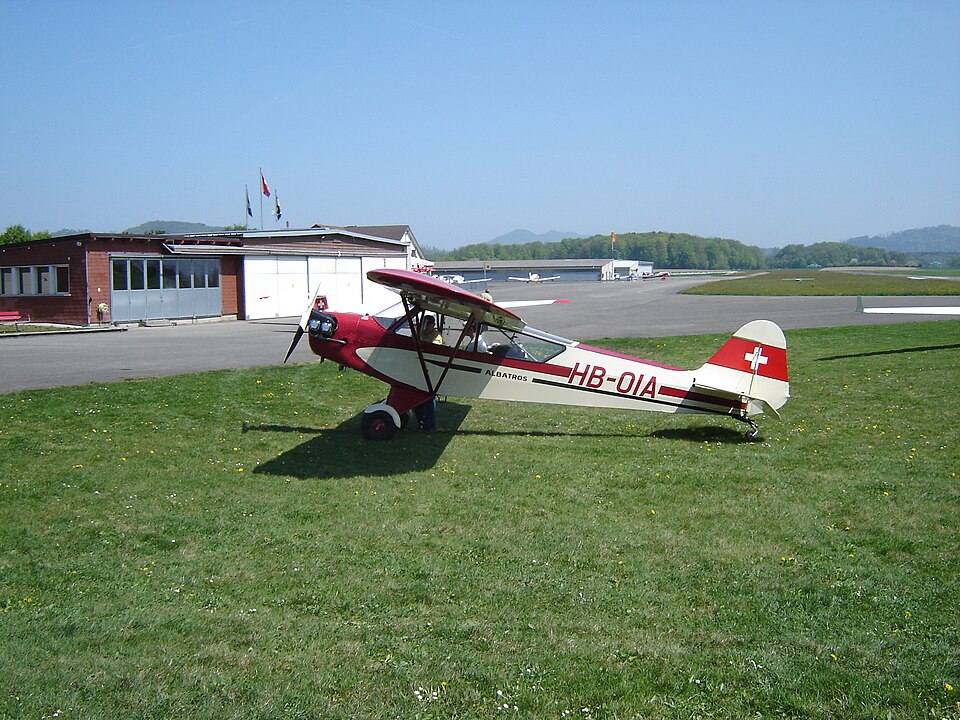
On 12 June 2012, a Piper J3C-65/L-4 aircraft, registered as HB-OIA, was involved in an accident near Hilfikon, Switzerland. The flight was a revalidation check for the pilot's single-engine piston (SEP) class rating, accompanied by an examiner. The aircraft sustained substantial damage, while both occupants—the pilot and the examiner—were uninjured.
Flight History
The pilot and examiner met at the Birrfeld regional airfield around noon for flight preparation. Weather documents and NOTAMs were reviewed. The weather featured a relatively low cloud base, but the dangers of carburetor icing were not discussed. Due to rain, the departure was delayed by one hour. After conditions improved, the pilot conducted a preflight inspection; the fuel and oil levels were sufficient.
The aircraft, equipped with dual controls, departed runway 26 at approximately 14:40 LT. The pilot, seated in the rear, performed all manipulations from memory. A run-up check showed normal magneto drop and a 50 RPM drop when testing carburetor heat. Climbing to about 2700 ft AMSL, the flight proceeded eastward. After five minutes, the pilot engaged carburetor heat for three minutes, noting a slight RPM reduction. Visibility exceeded 20 km with no precipitation.
Accident Sequence
En route near Wohlen and Villmergen, the pilot spontaneously proposed a simulated emergency landing on a field southeast of Hilfikon. The examiner agreed, reminding the pilot to use carburetor heat. The pilot reduced engine power to idle and reportedly pulled the carburetor heat lever. During the subsequent glide of about 1½ minutes, the engine operated smoothly. At approximately five meters above the intended landing field, the pilot initiated a go-around by applying full power and switching off carburetor heat. The engine responded immediately. After about ten seconds of climb, the engine lost all power within two seconds. No shaking or misfiring was noted. The pilot checked the throttle and carburetor heat positions. A forest lay to the right and a power line obstructed the path ahead. The pilot executed a 180° left turn in a descent. Initially the propeller continued to rotate, but it stopped during the final third of the turn. Immediately thereafter, the aircraft made a hard emergency landing on a grassy meadow, with a high sink rate. The right landing gear collapsed upward. The aircraft slid about 25 meters into an adjacent cornfield, briefly nosed over onto the left wing, then fell back. The flight lasted 13 minutes. Both occupants exited the aircraft unharmed. The ELT transmitted a distress signal, which was switched off about ten minutes after the accident.
Investigation Findings
The Swiss Accident Investigation Board (SAIB) determined that the accident was due to a hard emergency landing following an engine power loss. Causal factors for the power loss were identified as carburetor icing and incorrect handling. The pilot later reported that after the accident, he shut off the fuel, electrical power, and ignition. During debriefing, the examiner questioned whether a momentary confusion between the fuel shutoff and carburetor heat lever might have occurred; the pilot denied this.
Probable Cause
The accident is due to a hard emergency landing after an engine power loss. Carburetor icing as well as incorrect handling are considered causal factors for the power loss.