Course of Events
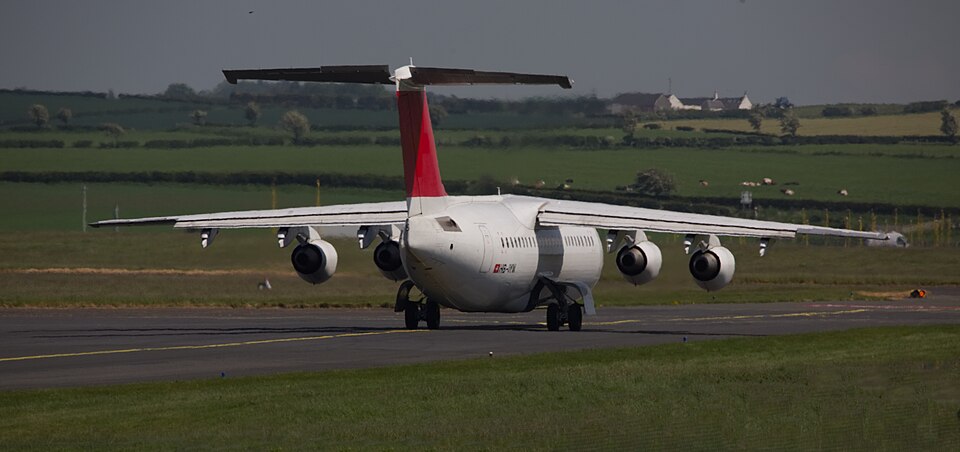
On 15 September 2016, an AVRO 146-RJ100 aircraft, registered as HB-IYW and operated by Swiss Global Air Lines, was preparing for a scheduled flight from Nuremberg Airport to Zurich Airport. The flight crew, consisting of two pilots and two cabin crew members, had 90 passengers on board. Due to a passenger check-in issue and high external temperature of 29 °C, the crew decided to start the auxiliary power unit (APU) to cool the cabin using bleed air.
After approximately five minutes, the crew activated air conditioning pack 1, then switched to pack 2. Shortly thereafter, they noticed a smell of oil in the cockpit and immediately turned off the APU. The cabin crew inquired about the lack of cooling, and the flight crew informed them of a problem with the APU bleed air.
After discussion, the crew concluded the APU was responsible for the contaminated air and decided to use only pack 2 after take-off, supplied by bleed air from engines 3 and 4. The aircraft departed at 13:24 UTC. During climb, pack 2 was activated as planned. Two minutes after take-off, the copilot detected a sweet, oily odour. The pilot, though not confirming, ordered oxygen masks donned for safety. The crew continued to Zurich, declining to declare an emergency but requesting priority.
The flight proceeded uneventfully at FL 130, using additional fuel taken on in Nuremberg. Upon landing at Zurich at 14:04 UTC, the fire service inspected the aircraft but found no anomalies with their detectors.
Air Conditioning System
The Avro RJ100's pressure ventilation system supplies conditioned air from the APU or engines via two packs. Pack 1 supplies the cockpit and cabin; pack 2 supplies only the cabin. When only one pack operates, it supplies both areas.
Findings
Maintenance inspections after the incident included aerotracer tests, pack inspections, APU contamination checks, and borescope inspections of engines 1 and 2. No clear findings explained the oil smell. Cabin and cockpit filters were replaced, a small oil leak in IDG 1 was fixed, and engine 1 compressor was cleaned. A subsequent test flight with all air configurations showed no abnormalities.
Previous Incident
On 4 July 2016, the same aircraft experienced an electrical smell, leading to a Pan Pan declaration and immediate landing in Zurich. Maintenance replaced three damaged cables behind the overhead panel and conducted zonal inspections. The STSB decided not to open an investigation on 11 August 2016 based on the findings and actions taken.
Analysis and Conclusions
The source does not provide a stated probable cause for this incident. The report notes that the smell of oil developed after turning on APU bleed air and the air conditioning, but no definitive cause was identified despite extensive inspections.