Accident Circumstances
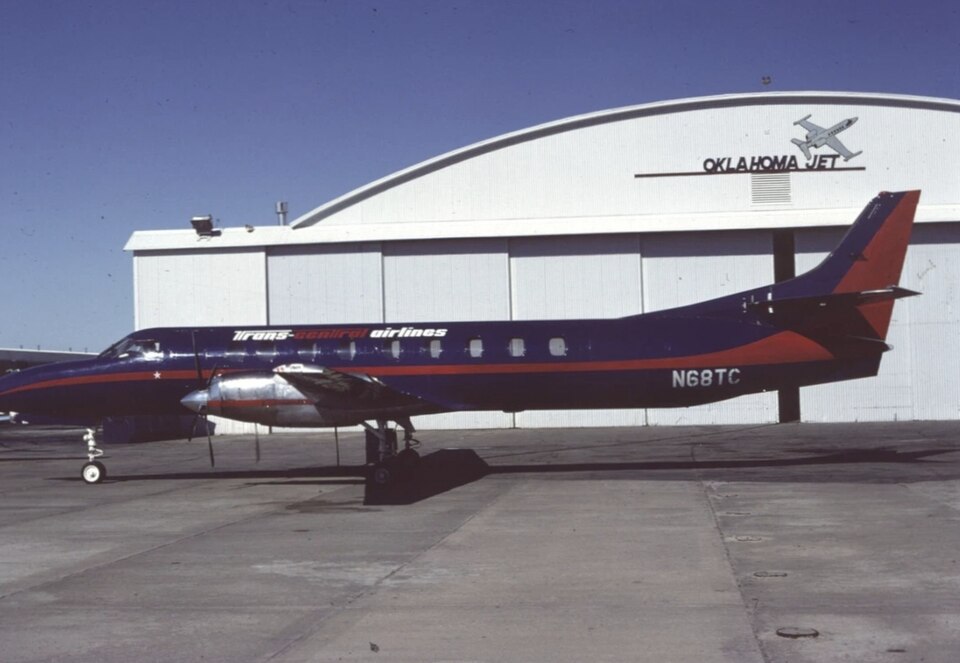
The aircraft was operating as Continental Express flight 2286. During the approach in instrument flight rules (IFR) conditions, the aircraft descended below the minimum descent altitude and subsequently struck terrain at an elevation of 7,180 feet above mean sea level (msl). Examination of the airframe and systems revealed no pre-impact failures or malfunctions. Evidence indicated that the copilot was flying the airplane during the approach. Evaluation of radar data showed an excessive rate of descent prior to the collision with terrain.
Flight Crew Information
Postmortem toxicological examination of the captain revealed that he had used cocaine prior to the flight. The safety board concluded that this use had adversely affected his ability to monitor the unstabilized approach flown by the copilot. Records of both crewmembers disclosed prior traffic violations and accidents; the captain had been involved in a previous aircraft accident.
Weather Conditions
Evaluation of the weather conditions during the approach indicated a tailwind of 10 to 15 knots throughout the descent.
Probable Cause
The safety board determined that the probable cause of the accident was the first officer's flying and the captain's ineffective monitoring of an unstabilized approach, which resulted in a descent below the published descent profile. Contributing to the accident was the captain's performance resulting from his use of cocaine before the accident.