Introduction
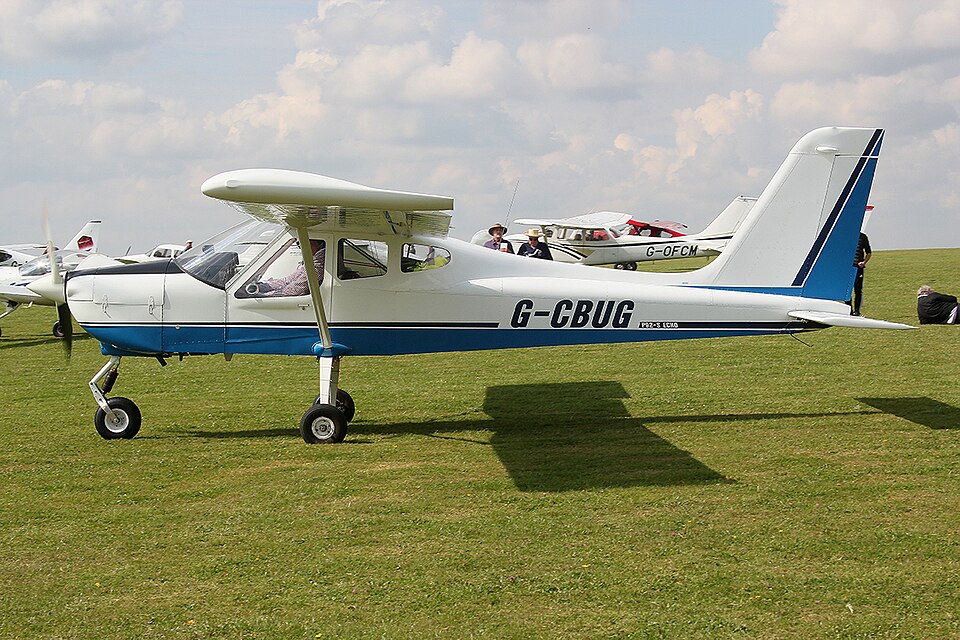
On 1 September 2007, a Tecnam P92-EM Echo (modified) aircraft, registration G-CBUG, sustained substantial damage during a landing attempt at Oxenhope, Yorkshire. The single-engine aircraft, powered by a Rotax 912 ULS piston engine and manufactured in 2002, was being operated on a private flight. The sole occupant, the pilot, was not injured.
History of the Flight
The aircraft had received cosmetic maintenance at Branscombe, and the pilot planned to fly it to Manchester Barton before continuing to its base at Oxenhope. The pilot, who held a Private Pilot's Licence with 1,284 hours total flying experience but only 2 hours on type, had not flown the Tecnam P92-EM Echo before. He studied a copy of the flight manual prior to flight but had no instructor or experienced pilot available to provide tuition on the type. He was told that its flying characteristics were similar to a Cessna 152.
Nearing Barton, the pilot decided he had sufficient fuel to continue to Oxenhope and conduct an airborne inspection of the airstrip before returning to Barton. In the overhead at Oxenhope, he saw that the windsock showed a stiff breeze favouring Runway 24, later assessing the wind as approximately 270/20 kt. He made several orbits to assess the strip and conditions, during which he saw an individual, whom he believed to be the aircraft's owner, opening the doors to a hangar. The pilot concluded this was to enable him to hangar the aircraft after landing.
Accident Details
The pilot carried out an "exploratory approach" to grass Runway 24 during which the aircraft became low on the approach and he initiated a go-around and further circuit. The second approach was flown crabbed into wind with the right wing down, and the pilot assessed that it was appropriate to land from it. As he flared the aircraft, it drifted left towards a banked area beside the runway. Full power was applied to initiate a go-around, but the left main landing gear struck the banked area, and the aircraft yawed and pitched into the ground. It came to rest, substantially damaged, facing opposite to the direction of landing. The pilot was not injured and carried out the shutdown checks before vacating the aircraft normally through the normal exit. There was no fire.
Pilot's Assessment
In a complete and frank report, the pilot assessed that the accident was caused by lack of familiarity with the aircraft type, the shifting wind, and the fact that the aircraft was lighter than those he usually flew. He acknowledged that additional pressure to land was brought about by the owner's presence and the opening of the hangar doors.