Introduction
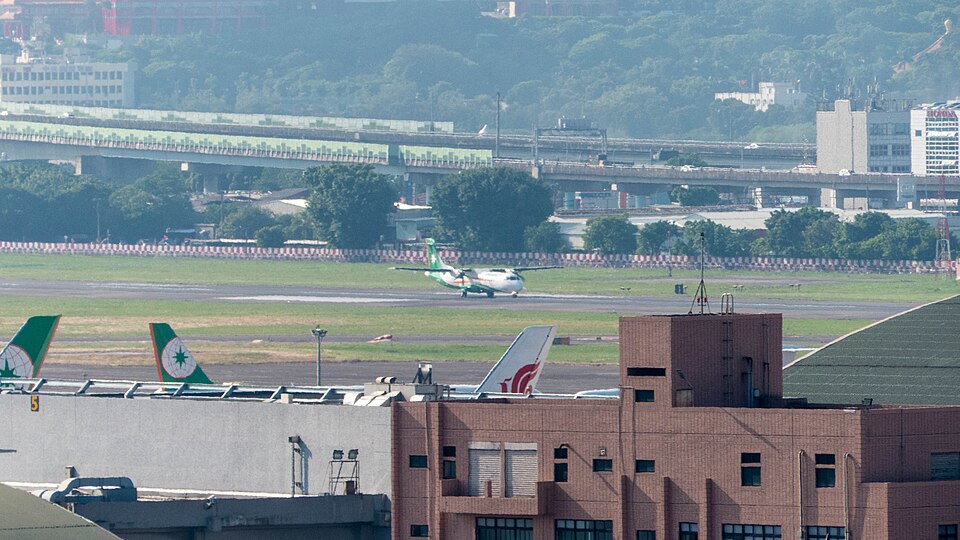
On May 10, 2021, UNI Air flight B7-9091, an ATR72-212A aircraft with registration B-17010, departed Taipei Songshan Airport at 0926 local time for a scheduled passenger flight to Matsu Nangan Airport. The flight carried 2 pilots, 2 cabin crew, and 70 passengers, totaling 74 occupants.
Flight History
At 1006, while conducting a non-precision approach to runway 21 at Nangan Airport, the flight crew initiated a go-around. During the go-around, the left and right main wheels and the tail skid struck the top of the outer end wall of the pre-threshold area of runway 21. The crew decided to return to Songshan Airport, where they landed safely on runway 10 at 1107. The aircraft sustained substantial damage, and the runway surface at Songshan was also damaged. No injuries were reported.
Investigation Findings
The Taiwan Transportation Safety Board (TTSB) conducted the investigation. The weather at Nangan Airport included low clouds or sea fog over the runway threshold, which the routine weather reports had not fully captured (they reported scattered clouds at 300 feet and mist). The flight crew held valid licenses and had no medical, drug, or alcohol issues. The aircraft's weight and balance were within limits. The runway markings and published distances at Nangan were found to be inconsistent with civil airport design and operation standards.
Probable Cause
The probable cause, as determined by the TTSB, is that the pilot flying (PF) lost situational awareness during the final approach due to focusing on cockpit tasks while using autopilot in lateral navigation and vertical speed mode. As the aircraft entered low clouds, the PF did not immediately execute a go-around as required when visual reference was lost. The monitoring pilot did not call for a go-around. When the PF eventually decided to go-around at an altitude of 229 feet (only about 11 feet above the runway threshold), the aircraft was too low to establish a positive climb rate before the main wheels and tail skid struck the runway end wall.
Contributing Risk Factors
The investigation identified several risk factors: The PF did not disengage the autopilot above 160 feet above the runway threshold as per operational limitations, instead continuing to use vertical speed mode. The monitoring pilot failed to intervene or call out deviations from standard operating procedures. UNI Air's safety monitoring system, while compliant with regulatory requirements, was not sufficiently targeted to detect such procedural deviations or to manage controlled flight into terrain (CFIT) risks effectively.
Recommendations
The TTSB issued recommendations to UNI Air to strengthen safety monitoring, ensure crew resource management (including monitoring pilot intervention), and enhance CFIT risk management. Recommendations to the Civil Aeronautics Administration (CAA) included supervising UNI Air's safety improvements, evaluating the installation of aids to observe sea fog or low clouds at Nangan Airport, and reviewing runway end safety areas and published distances at Nangan and other airports.