Introduction
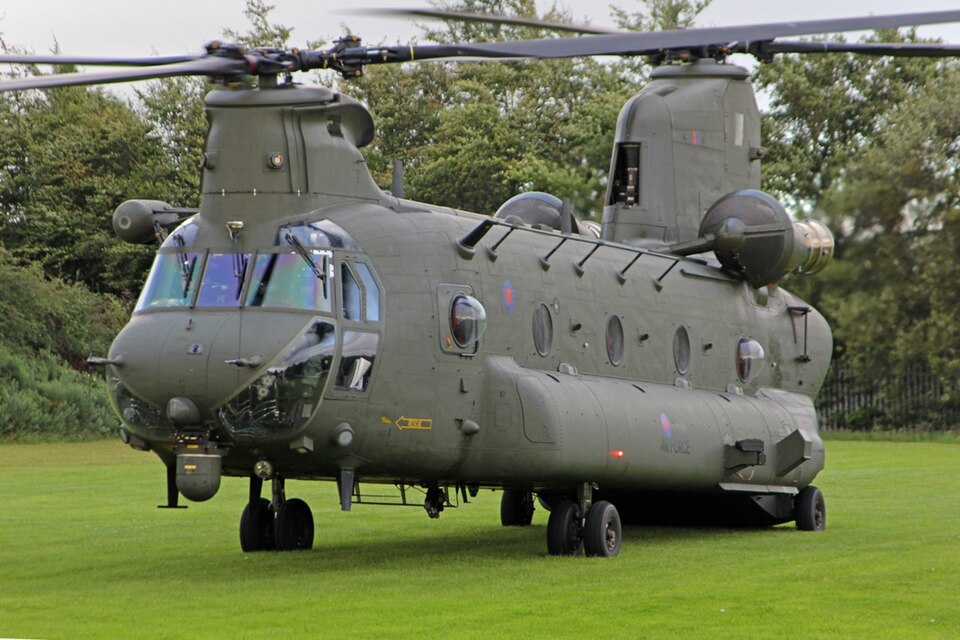
On 10 August 2010, a Chinook HC2A helicopter, registration ZA708, operating as part of Joint Helicopter Force (Afghanistan), was involved in an accident during a resupply mission in Helmand Province, Afghanistan. The aircraft was tasked with delivering under-slung loads and personnel to patrol bases.
Background
ZA708 was a Mk2A Chinook under the Aircraft Operating Authority of Joint Helicopter Command. It had been deployed to Afghanistan since 21 May 2010 and had flown 8955.55 hours at mission launch. The aircraft was overdue for an engine modification programme.
The crew consisted of an aircraft captain (handling pilot), a co-pilot (non-handling pilot), a No 1 crewman, and a No 2 crewman. The captain was also the flight commander and had extensive experience. The co-pilot was on his first deployment. The crewmen had varying experience levels, with the No 2 crewman on his sixth deployment.
Pre-Accident Events
The mission was planned in two phases: first, delivery of a 2.5-tonne under-slung load and 16 passengers from Camp Bastion to Nahidullah Patrol Base; second, refuelling at Camp Bastion followed by transport of a 3.5-tonne load to Bahadur Patrol Base. The sortie was scheduled for the early hours of 10 August to exploit darkness, but delays during phase one resulted in increased light levels.
During the load drop at Nahidullah, the crew encountered significant dust recirculation but completed the task. The load release required manual operation due to a non-responsive centre hook.
The Accident
At the helicopter landing site at PB Bahadur, the aircraft again entered a large recirculating dust cloud. Shortly after releasing the under-slung load, the port side of the aircraft impacted the compound wall. Subsequently, the aft rotor blades struck a sangar structure within the compound. The aircraft regained a level attitude, climbed out of the dust cloud, and the crew initiated an immediate landing. A mayday call was transmitted, and a successful running landing was performed in a field 260 metres from the landing site.
Aftermath
The impact with the compound wall caused the roof of an attached building to collapse, inflicting a very serious injury to a serviceman of the 1st Battalion Royal Ghurkha Rifles, attached to 1st Battalion Mercian Regiment. He was evacuated to the United Kingdom and died of his injuries on 12 August 2010.
The sortie had been briefed and authorised according to standard procedures. The crew had not calculated performance figures, but payload and fuel were within normal parameters for the density altitude. The mission change to PB Bahadur was incorporated during the conditions check before launch.