Aircraft and Pilot Information
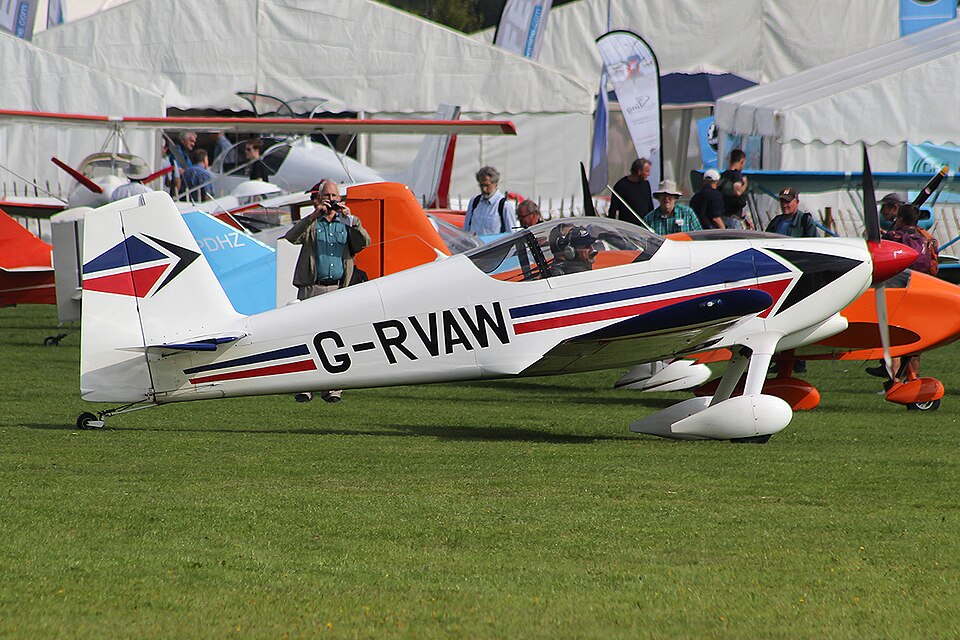
The aircraft involved was a Vans RV-6, registration G-RVAW, manufactured in 2000 and powered by a single Lycoming O-320-A1A piston engine. The private flight was operated by a 60-year-old pilot holding a Private Pilot's Licence, with a total of 1,746 flying hours (60 hours on type, 37 hours in the last 90 days, and 17 hours in the last 28 days). The pilot reported no injuries.
Location and Conditions
The accident occurred at High Flatts Farm, Chester le Street, Co Durham. The landing strip is orientated 300°/120° magnetic, 500 metres long and 19 metres wide. The pilot had completed a cross-country flight and observed a large shower affecting the strip. He held approximately 2 nautical miles away while the worst of the weather cleared and a preceding aircraft backtracked to the hangar. Approach was commenced in improving visibility, though small clouds remained over the strip. The wind was estimated as variable at 2 to 3 knots. Tall trees affect the approach to Runway 30.
Accident Sequence
Touchdown occurred approximately 200 metres into the strip on the centreline. Forward vision had been good during the approach, but when the pilot closed the throttle for landing, fine drizzle obscured the windscreen, reducing forward vision to zero. With no forward visual reference, the aircraft veered left on the damp strip, and the left wing tip contacted oil seed rape crop bordering the strip. The aircraft yawed left and continued sideways until the right wing contacted and entered the crop, bringing the aircraft to rest. Damage was sustained to the right wing, undercarriage, tailwheel, and stern post.
Cause
The accident was caused by a loss of forward visual references brought about by fine drizzle on the windscreen. During the approach, the combined effects of airspeed and airflow through the propeller dispersed the rain, but this effect was reduced when the throttle was set to idle for the landing. When the aircraft contacted the crops, the yaw and subsequent damage were relatively severe due to the robust nature of the oil seed rape crop.