Casualties unknown

2012-01-14: Vans RV-8 (G-XSEA) — North Weald Airfield, Essex, GB

North Weald Airfield, Essex, GB

On January 14, 2012, a Vans RV-8 (registration G-XSEA) was involved in an aviation accident near North Weald Airfield, Essex, GB. Investigators recorded the probable cause as: The pilot considered that the limitations in forward view in his tailwheel aircraft together with the glare from the low sun in front of him had caused him to lose his sense of direction temporarily. This summary draws on records from the UK Air Accidents Investigation Branch (AAIB).

Sourcesthe UK Air Accidents Investigation Branch (AAIB)Primary reportUpdated 1785053200Data APIEditorial standards
Aircraft registered G-XSEA
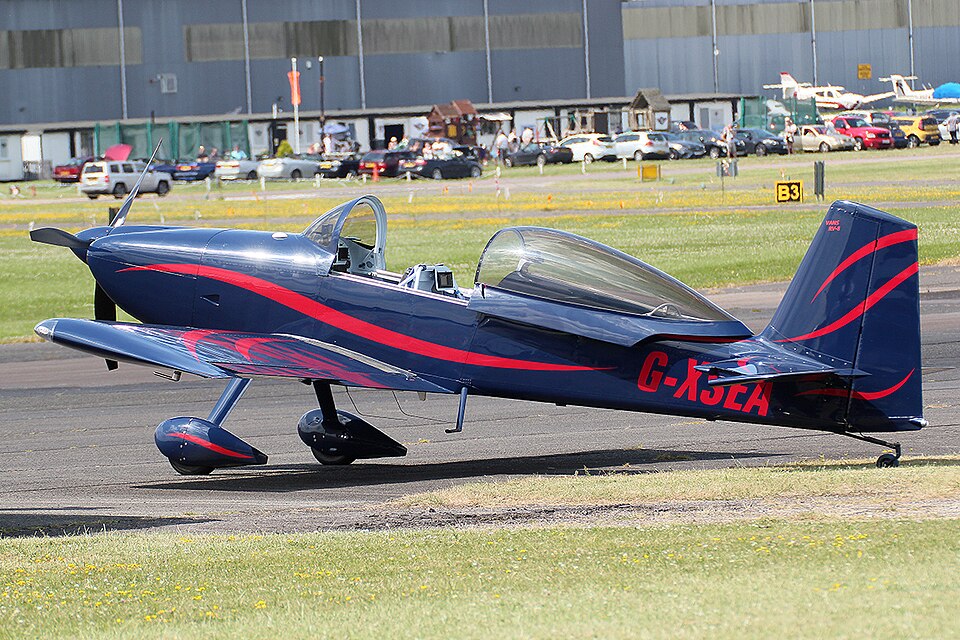
Aircraft registered G-XSEA. Photo: Mike Burdett from CROMER, UK / CC BY-SA 2.0, via Wikimedia Commons

On 14 January 2012, a Vans RV-8 (G-XSEA) suffered a ground loop after landing at North Weald Airfield, damaging the tailwheel. The pilot attributed the loss of directional control to limited forward visibility combined with low sun glare. No injuries occurred.

Accident Overview

On 14 January 2012 at 1430 UTC, a Vans RV-8 aircraft, registration G-XSEA, experienced a ground loop during the landing roll on Runway 20 at North Weald Airfield, Essex. The aircraft sustained damage to its tailwheel. The two occupants—a pilot and a passenger—were not injured.

Aircraft and Pilot Information

The aircraft was a single-engine Vans RV-8, manufactured in 2005, powered by one Superior XP-IO-360-B1AA2 piston engine. The pilot, aged 78, held a Private Pilot’s Licence and had accumulated 2,759 total flying hours, including 113 hours on type. In the 90 days preceding the accident, he logged 9 hours, with only 1 hour in the last 28 days.

Sequence of Events

After landing on Runway 20, the pilot reported that as the aircraft slowed, it suddenly veered and ground looped. The maneuver caused damage to the tailwheel. The pilot submitted an Aircraft Accident Report Form detailing the occurrence.

Pilot’s Assessment

The pilot considered that the limitations in forward view inherent to a tailwheel aircraft, combined with glare from the low sun directly ahead, temporarily caused him to lose his sense of direction, leading to the loss of control.

Probable cause

The pilot considered that the limitations in forward view in his tailwheel aircraft together with the glare from the low sun in front of him had caused him to lose his sense of direction temporarily.