History of the Flight
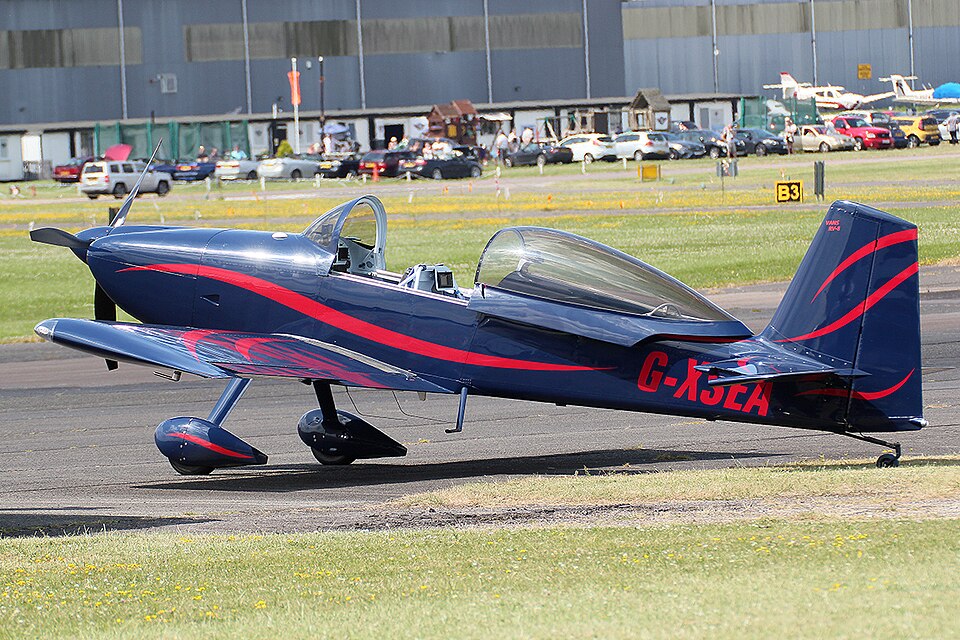
The pilot, the sole occupant, was performing an aerobatic manoeuvre in a Vans RV-8 (registration G-XSEA) when the engine oil pressure warning light illuminated. The oil pressure dropped to between 4 and 7 psi, and shortly afterward the engine began running roughly. At that time, the aircraft was approximately 3 nm from its home strip at a height of between 1,200 and 1,500 ft. The pilot decided to return to his strip rather than land in a field and positioned the aircraft for a downwind glide approach, landing uphill with a tailwind of approximately 2 kt. The aircraft crossed the hedge at the threshold of the runway approximately 15 kt above the normal approach speed and did not touch down until approximately 180 m into the 450 m long strip. Aware that he would not be able to stop on the runway and not wishing to risk a go-around, the pilot manoeuvred the aircraft to avoid colliding with a hedge and ditch at the end of the runway. During this manoeuvre, the left landing gear ran off the grass strip, sunk into a cultivated field, and broke away from the aircraft. The left wingtip and propeller struck the ground, and the aircraft came to a halt. The pilot, wearing a five-point harness and safety helmet, sustained minor bruising.
Engineering Examination
The engine was equipped with an oil system designed for unlimited inverted flight, featuring a gravity-operated shuttle valve that controls oil intake during normal and inverted flight. Data from the electronic flight and engine instrument system showed that during the first part of the flight, engine oil pressure was between 62 and 66 psi. During the aerobatic manoeuvre, the oil pressure reduced to between 19 and 12 psi for approximately 12 seconds, then fluctuated between 3 and 7 psi for the remainder of the flight. An examination of the engine revealed that all engine oil was in the sump, with no evidence of leakage. The crankcase breather vent was clean and free from oil and emulsion.
Comment
The drop in oil pressure occurred while the aircraft was undertaking an aerobatic manoeuvre, and it is likely that the shuttle valve became stuck in the inverted position for the remainder of the flight. It is also probable that the drop in oil pressure caused the hydraulic valve lifters to deflate, which would have affected the dynamic range of movement of the inlet and exhaust valves and caused the engine to run roughly.