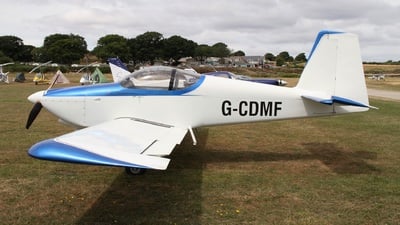
History of the Flight
The aircraft was returning from St. Omer, France. Before landing, the pilot overflew Oaksey Park Airfield to assess wind direction and strength using two windsocks. He estimated the wind as variable from 270° at 10 kt with gusts to 15 kt. He then set up for a left downwind approach to Runway 22, a grass strip. On final approach, the pilot reduced airspeed to 65 mph and selected full flap.
Encountering some turbulence, the pilot noticed an increased sink rate and added power. As the aircraft approached the runway threshold, he observed the windsock veering left and right of the centerline by about 20°. He worked hard to maintain wings level with aileron and the nose straight with rudder. After crossing the threshold, he reduced power to idle and began to flare. The nose suddenly pitched up by about 10°, and the aircraft dropped suddenly by about 3 to 4 feet, landing tail-down. It bounced on its main gear back into the air and then landed heavily, nose-down, on its nose landing gear. The nosewheel dug into the ground, and the aircraft flipped upside down onto its back.
Damage and Post-Accident
The aircraft sustained damage to the propeller, nose gear, canopy, left wing tip, and upper fin/rudder. Neither the pilot nor the passenger was injured. The two occupants were unable to exit the inverted aircraft. Shortly afterward, the airfield manager arrived with an axe and cut out a section of the canopy large enough for them to crawl out.
Pilot's Assessment
The pilot reported that his landing airspeed was too low for the gusty weather conditions and that he believed wind shear near the runway threshold contributed to the accident.