Introduction
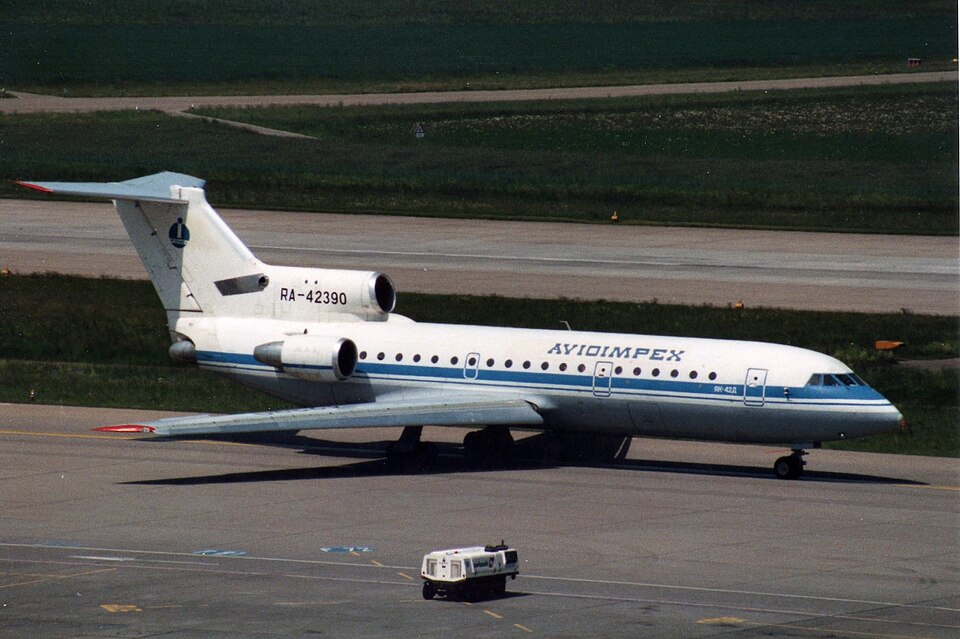
On an evening charter flight from Geneva-Cointrin Airport to Skopje-Brazda Airport, a three-engine aircraft carrying 8 crew members and 108 passengers—most of them Kosovo citizens working in Switzerland and returning for winter break—was diverted by ATC to Ohrid due to poor weather at Skopje, characterized by snowfall.
Final Approach
While descending for a landing at Ohrid Airport in limited visibility, the crew failed to realize their altitude was insufficient when the GPWS alarm sounded for seven seconds. The aircraft struck tree tops and crashed on the slope of Mount Trojani, 1,204 meters high and located 2 kilometers from the airport.
Aftermath
A 20-year-old man was seriously injured in the crash, while the other 115 occupants were killed. Days after the accident, the sole survivor died from injuries sustained in the crash.
Investigation and Probable Cause
The official investigation concluded that the accident was caused by a significant deviation of the aircraft from the established approach path and the lack of information from the crew about the exact position of the aircraft while descending in IMC conditions that excluded a visual approach. The following contributing factors were identified:
- The Ohrid VOR was unserviceable at the time of the accident.
- Visibility was poor due to night and marginal weather conditions.
- The crew failed to follow the traffic pattern on approach to Ohrid Airport and continued to descend despite being unaware of their exact position.
- The crew failed to comply with published procedures, leading to loss of proper control over altitude parameters, impossibility of landing from the first approach, and failure to maintain established flight altitudes during subsequent maneuvers.
- No VOR signal was present in the cockpit.
- Insufficient illumination of the Ohrid motorway reduced its utility as a backup reference, complicating crew and dispatcher efforts to control the aircraft position given the VOR malfunction and absence of radar and radio direction finding.
- The crew implemented an unjustified decision to attempt a second approach without VOR indication, resulting in loss of exact location.
- ATC at Ohrid Airport underestimated the danger of the situation when realizing the crew's loss of orientation over mountainous terrain, and failed to take all possible measures to prevent a collision. The controller disoriented the crew by requiring them to "report localizer established," a phrase the crew interpreted as clearance to continue the approach.