EASA explains basis for 30-minute cockpit napping rule
European aviation regulator EASA permits controlled cockpit rest of up to about 30 minutes for pilots, a limit rooted in a 1990s NASA study on fatigue during long-haul flights.
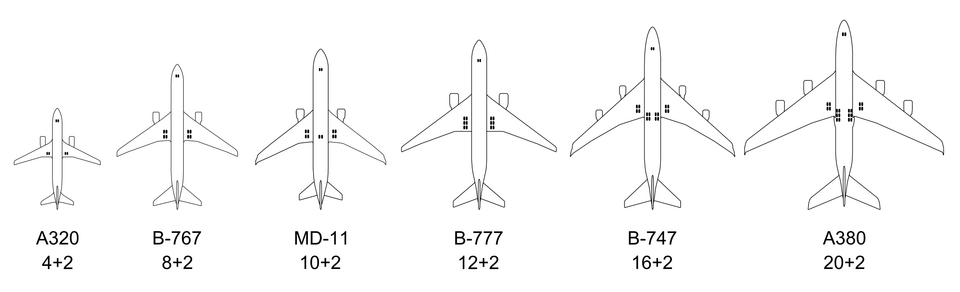
Under European rules, pilots may take short, controlled naps in the cockpit during cruise flight, with actual sleep limited to roughly 30 minutes. The regulation, known as CAT.OP.MPA.210, permits a rest period of up to 45 minutes, including a 20-minute recovery phase after waking, according to the aerotelegraph report. Only one pilot may rest at a time. The other must stay awake at the controls and is checked periodically by cabin crew.
The 30-minute figure is not arbitrary. It traces back to a NASA study from the early 1990s led by researcher Mark Rosekind, which examined 21 long-haul crews flying Boeing 747s across the Pacific in regular airline service rather than in a simulator. Twelve pilots were allowed a planned rest of about 40 minutes during cruise, while nine others were not given that option. The findings appeared in September 1994 as a technical note from the NASA Ames Research Center.
A separate internal survey by the German pilot union Vereinigung Cockpit, cited in the report, found that napping in flight is common practice. Of more than 900 respondents, 93 percent said they had taken a short in-flight nap at some point over the past year. The union said napping itself is not a concern, since it is permitted under EASA rules. It warned, though, that problems arise if pilots use naps to compensate for chronic fatigue rather than occasional tiredness.
The report also notes that napping in the cockpit is not permitted in the United States. In Europe, by contrast, it remains a sanctioned fatigue-management tool under strict conditions.
Sources
- aerotelegraph.comPilotinnen und Piloten dürfen in Europa bis zu 30 Minuten schlafen – woher kommt die Zahl?