How a cancelled 1970s STOL contest led to the C-17 Globemaster III
A historical look traces the C-17's design roots to the US Air Force's 1970s Advanced Medium STOL Transport competition, which never entered production but influenced the later airlifter.
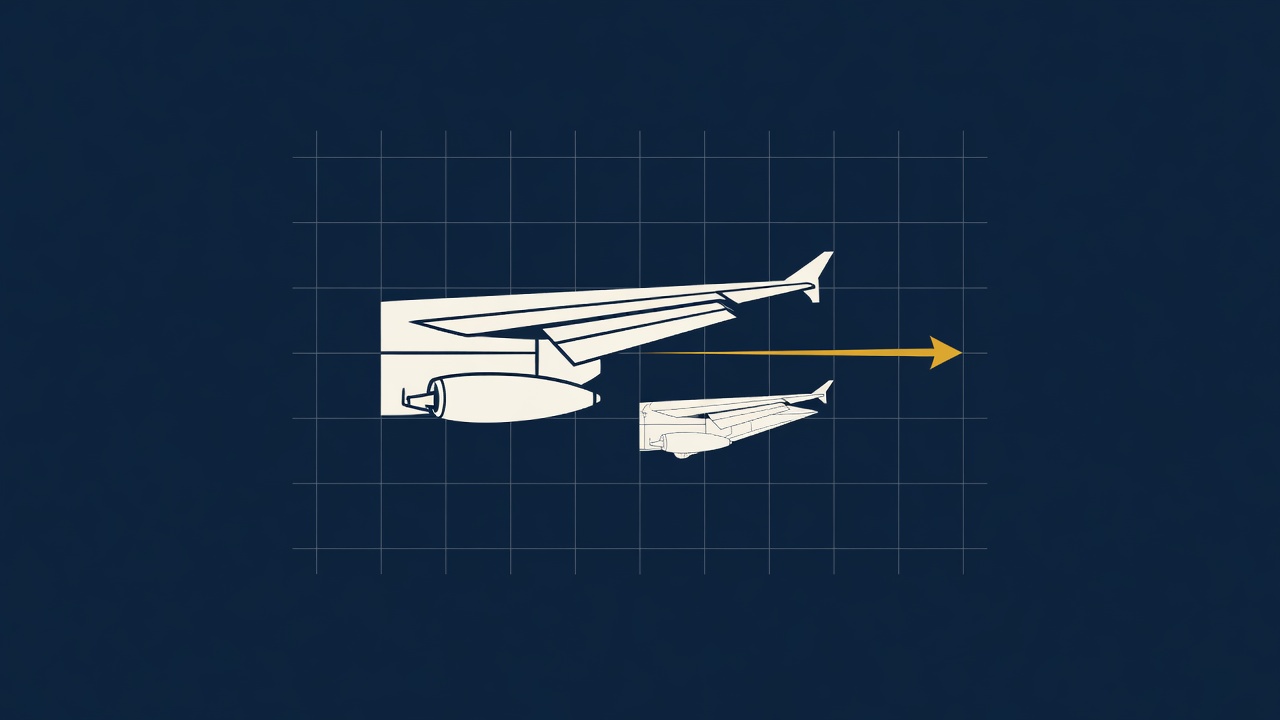
An account of the C-17 Globemaster III's origins points back to a 1970s program that never produced a fielded aircraft. The Advanced Medium STOL Transport competition, launched in 1976, pitted prototypes against each other to evaluate short takeoff and landing performance for the US Air Force.
One of the competing designs, the YC-15, used four engines with externally blown flaps to achieve strong short-field capability, according to the account. Its rival in the contest was the YC-14, built to similar requirements but using a different engine arrangement.
Despite the technical promise shown during trials, the Air Force did not move either aircraft into production. Budget pressures and shifting airlift priorities at the time are cited as reasons the AMST effort was shelved.
Years later, McDonnell Douglas revived elements of the YC-15's design when developing what became the C-17. The newer aircraft, now one of the Air Force's primary strategic and tactical airlifters, is described as carrying forward lessons and configurations first tested during the AMST competition.
The piece frames the C-17 as an indirect descendant of a program officially deemed a failure, noting that engineering knowledge gained from the cancelled contest was not wasted despite the lack of an immediate production contract. No specific figures on production numbers, dates of first flight, or performance specifications beyond the STOL emphasis are detailed in the account.
The story serves as a retrospective on aircraft development history rather than a report on a current event, focusing on how design competitions, even unsuccessful ones, can shape later operational aircraft used by the military today.
Sources
- simpleflying.comThe 1970s STOL Prototype Duel The US Air Force Canceled Then Quietly Turned Into The C-17