How US and European airlines differ in handling flight delay compensation
An analysis contrasts the light-touch approach of US regulators to flight delays with the binding EU261 and UK261 rules that govern European carriers.
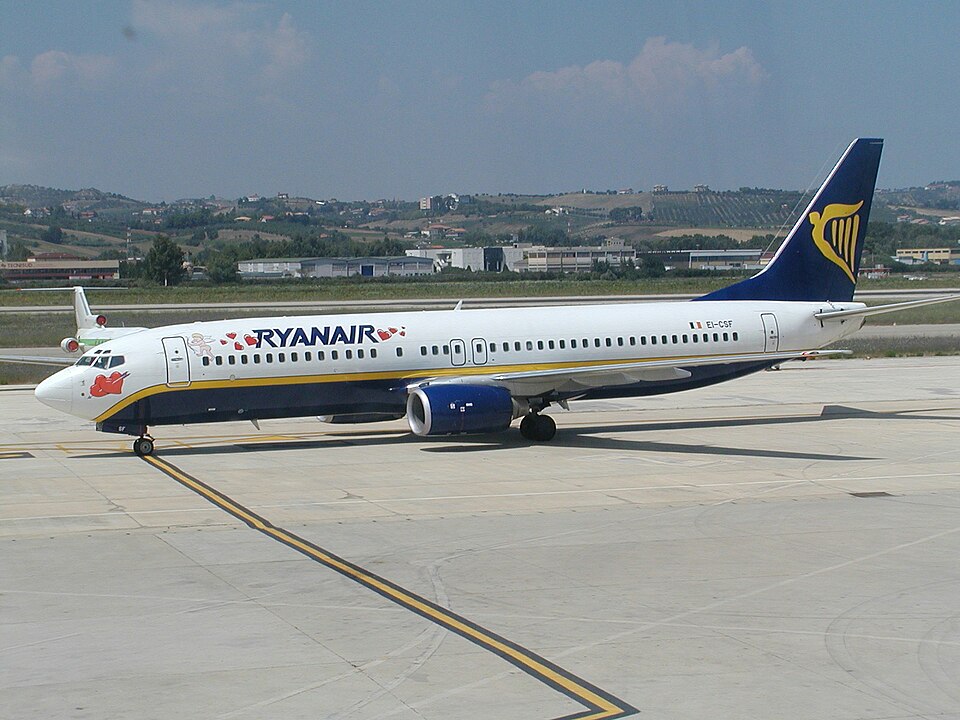
A comparison of airline practices highlights differences between how US and European carriers respond to flight delays. In the United States, federal rules do not mandate compensation for delays, leaving passengers dependent on individual airline policies rather than legal entitlements. Travelers are advised to check a carrier's own commitments, since these can vary widely and are not guaranteed by law.
In Europe, the situation is different. Airlines operating under EU261 or UK261 regulations are legally required to provide compensation and assistance under specified circumstances, such as long delays or cancellations within their control. These frameworks set clear thresholds for when passengers are owed money, meals, or accommodation, giving travelers a stronger legal footing than in the US.
The piece frames the distinction as one of regulatory philosophy: US authorities favor minimal intervention, trusting market competition and airline goodwill to address delays, while European regulators impose statutory obligations enforceable regardless of an airline's own policy.
The article does not cite specific airlines' delay policies in detail but uses Ryanair and easyJet as reference points for the European regulatory environment. It advises passengers to understand which rules apply based on the operating carrier and the region of departure, since this determines whether compensation is a matter of goodwill or law.
No specific incidents, flights, or aircraft are mentioned. The comparison serves as a general consumer guide rather than a report on a particular event.
Sources
- simpleflying.comThe Different Ways American & European Airlines Handle Flight Delays