Aircraft and Operator
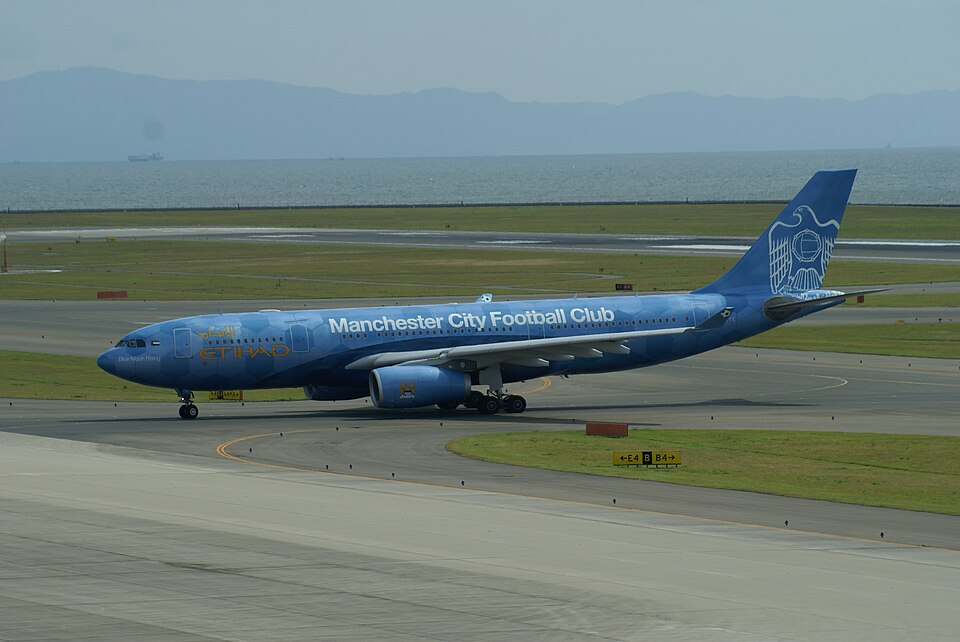
The aircraft involved was an Airbus A330-243, registration A6-EYE, operated by Etihad Airways. It was performing a scheduled passenger service from Abu Dhabi to Dublin.
Event Details
On 30 January 2012, at 03:46:26 local time, during the take-off roll on runway 31L at Abu Dhabi Airport, the aircraft became misaligned. The flight crew had lined up on the left edge lights of the runway instead of the center line.
Sequence of Events
After receiving clearance to line up on the active runway, the crew taxied onto runway 31L. Due to fog and limited visibility, they inadvertently positioned the aircraft over the left runway edge white line. During the take-off roll, the aircraft impacted and damaged eleven left edge lights. The crew rejected the take-off at a maximum indicated airspeed of 83 knots. The aircraft came to a stop just before taxiway E14 after traveling approximately 775 meters.
Aircraft Damage
As a result of the incident, the left hand nose wheel was punctured and required replacement. Seven main wheels were found with glass pieces embedded and were also replaced. The right hand nose wheel was replaced due to the load placed on it.
Injuries and Fatalities
There were no injuries to the 2 flight crew, 11 cabin crew, and 216 passengers on board. No fatalities occurred.
Weather Conditions
The weather at the time was fog with limited visibility, which contributed to the crew's difficulty in identifying the runway centerline.
Post-Incident Actions
Due to a nose wheel low tire pressure warning, the aircraft was towed from runway 31L back to the passenger terminal. After disembarkation, a full inspection of the aircraft was performed.
Other Damage
Eleven runway edge lights were damaged and subsequently replaced.