What happened
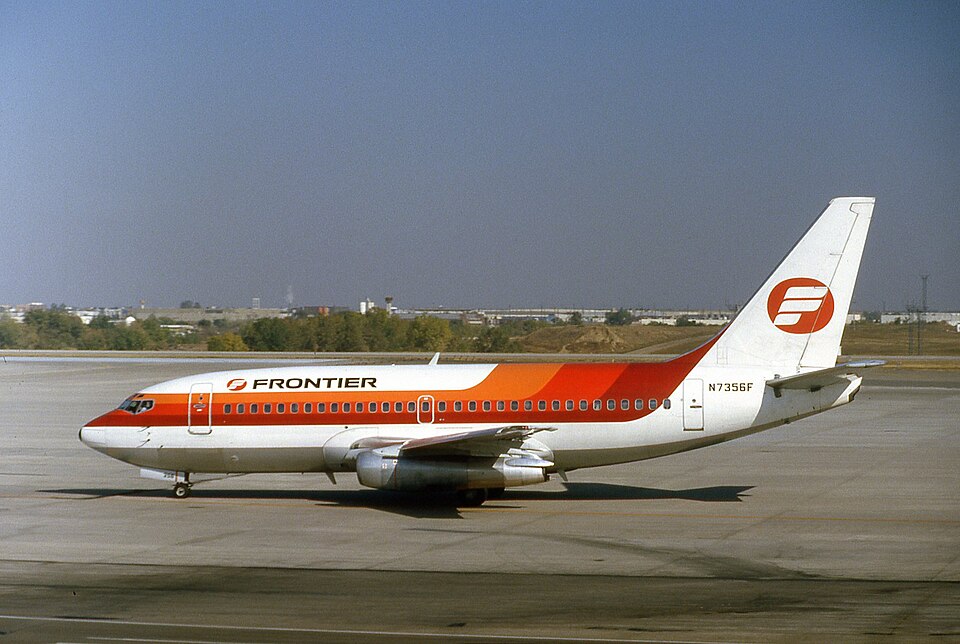
The captain reported feeling a distinct thump as the aircraft rotated for takeoff, causing the plane to slump to the left. Despite this immediate mechanical anomaly, the aircrew determined they were committed to completing the departure. The takeoff was accomplished successfully, and the crew executed a low pass over the runway to allow tower personnel to visually inspect the landing gear.
Tower observers confirmed that the left outboard tire had completely detached from the wheel assembly. Additionally, the left inboard tire appeared to be flat or significantly deflated. To ensure safety during the return, the pilot flew the aircraft for two hours and twenty minutes specifically to burn off excess fuel. The aircraft was then landed successfully without further incident.
The investigation
A thorough examination of the failed components revealed that the wheel bead flange, part number 2601571-1, had failed due to fatigue. Metallurgical analysis indicated that the crack originated at the inside diameter of the rim. This failure point was located in an area characterized by localized corrosion pitting, which likely served as a stress concentrator.
The detachment of the left outboard tire resulted in significant secondary damage. During the subsequent landing, the left inboard wheel sustained severe damage from contact with the runway surface. Inspectors also noted minor scuff marks and structural damage in the vicinity of the left main gear assembly, consistent with the asymmetric loading experienced during the event.
Findings
The primary factor in this incident was the fatigue failure of the wheel bead flange. The presence of localized corrosion pitting at the inside diameter of the rim contributed to the initiation of the crack that led to the structural separation. This mechanical failure caused the immediate loss of the left outboard tire during the critical takeoff phase.
The crew's decision to continue the takeoff and perform a fuel-burn pattern prior to landing demonstrated appropriate emergency procedures. The successful outcome was largely due to the aircraft remaining controllable despite the sudden loss of tire pressure and structural integrity on the left side.
Safety message
Regular inspection of landing gear components for signs of corrosion pitting is critical, particularly in areas prone to stress concentration such as wheel bead flanges. Early detection of such defects can prevent catastrophic fatigue failures during high-load phases of flight.