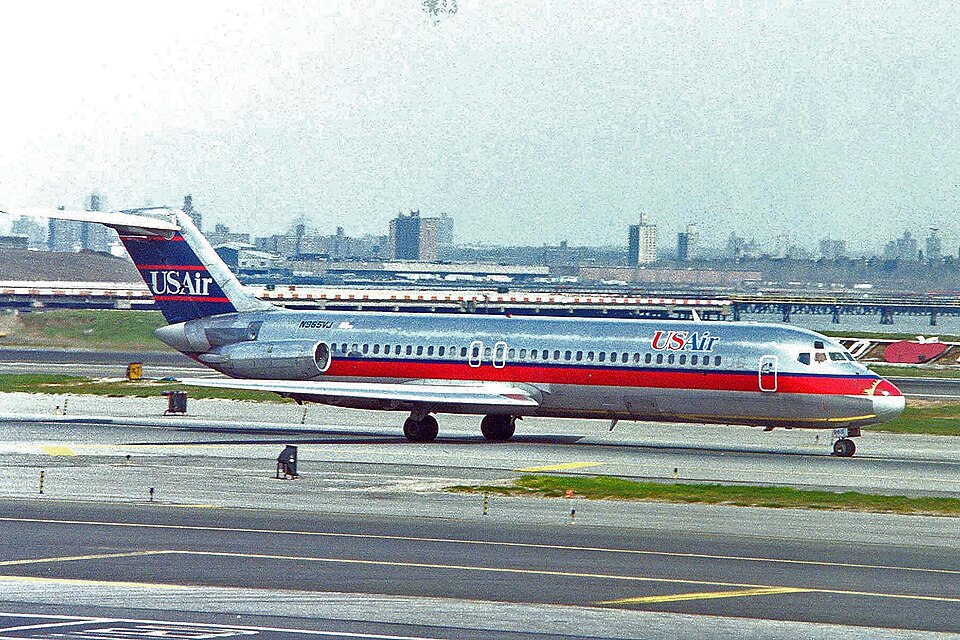
Incident Overview
A flight originally destined for Youngstown, Ohio, was rerouted to Erie, Pennsylvania, due to Youngstown's weather being below minimums. The flight was transporting a football team. The coach and business manager expressed dissatisfaction with the change, but arrangements were made for the team to continue by bus to Youngstown.
Cockpit Violation
During the flight, the business manager occupied a jumpseat in the cockpit, which violated 14 CFR 121 regulations.
Weather Deterioration
Upon arrival at Erie, the weather had deteriorated to 100 feet obscured and 1/4 mile visibility with fog. The crew entered a holding pattern without clearance to wait for improvement.
Approach Without Clearance
The crew elected to conduct an Instrument Landing System (ILS) approach, with minimums of 200 feet ceiling and 1/2 mile visibility. They left the holding pattern without clearance. At approximately 2,800 feet, radar contact with Air Traffic Control (ATC) was lost. They received an above-minimums weather report from the station agent and continued the approach without an ATC clearance.
Approach and Landing
The crew did not activate the approach lights. At the decision height, the copilot stated, "I don't have it," but the captain observed lights to his left and continued the landing. The aircraft landed on soft ground beside the runway and rolled to a stop, sustaining minor damage.
Lighting and Equipment Issues
The runway lights were set at step 1 instead of step 2 due to a wiring problem. Additionally, two emergency slides malfunctioned.
Crew Fatigue
The captain had been on duty for approximately 15 hours and awake for 19.5 hours at the time of the incident.