Incident Overview
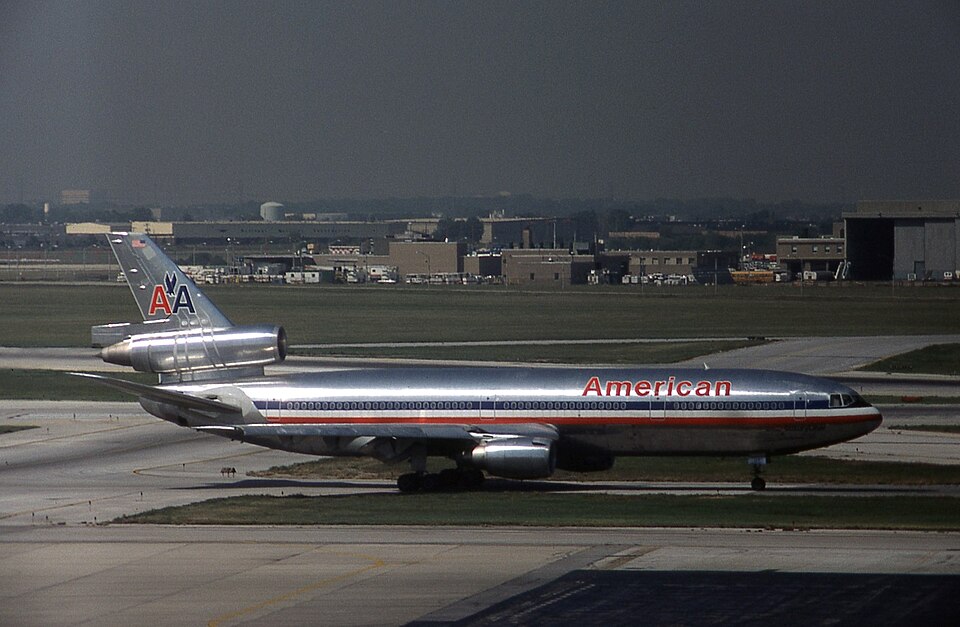
American Airlines Flight 192 (N101AA) experienced a runway excursion after landing at an unspecified airport. The flight was initially cleared to land on runway 21R, but due to a preceding aircraft experiencing a landing gear problem, air traffic control re-cleared the flight to land on runway 21C. The copilot, who was flying the aircraft, executed a side-step maneuver to align with the new runway.
Landing and Deceleration
The aircraft touched down long on the 8,500-foot runway. According to crew reports, everything seemed normal during the rollout until below 80 knots, when the aircraft did not appear to slow as expected. Despite application of brakes and reverse thrust, the crew was unable to stop on the remaining runway.
Investigation Findings
Information obtained during the investigation indicated that the aircraft touched down with an estimated 5,037 feet of runway remaining. According to the performance handbook for the aircraft, the stopping distance required on an icy runway would have been over 5,100 feet.
Conclusion
The investigation did not state a probable cause. The report notes the discrepancy between available runway at touchdown and required stopping distance on an icy surface.