Incident Overview
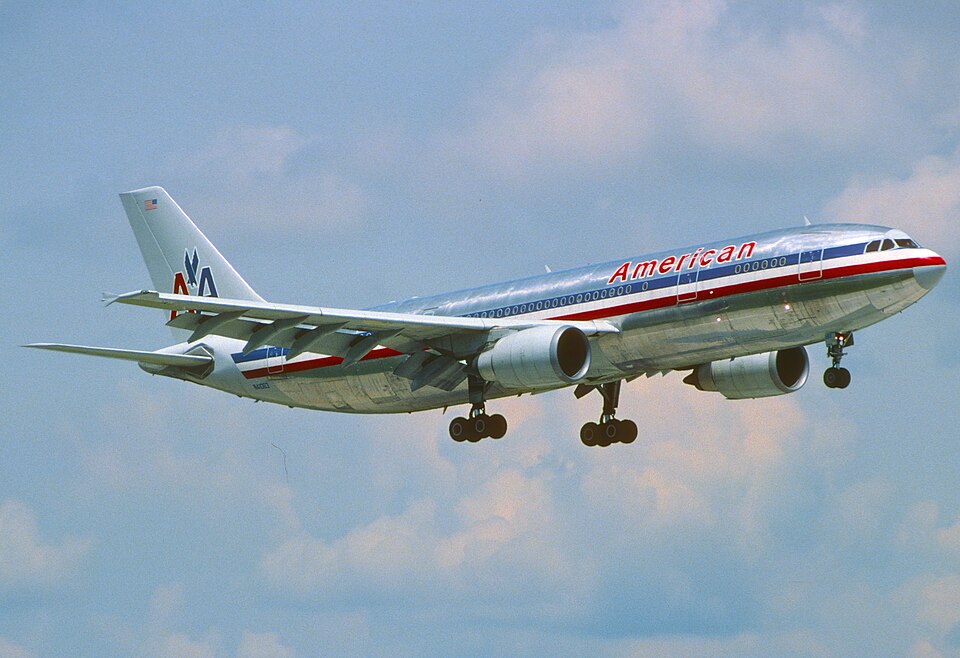
A scheduled passenger flight from San Juan, Puerto Rico, to the Antigua (ANU) area experienced a tail strike during landing. The approach and landing were uneventful until the final moments.
Approach Details
During the VOR 07 approach at about 2,500 feet above ground level, the flight maneuvered to avoid TCAS traffic. The runway was in sight. The captain was flying the transport category airplane on final approach with 40 degrees of flaps. At 1,000 feet, the first officer made the company procedural 1,000-foot verbal callout, and the captain brought the power above idle. The crew stated that the airplane was slightly high at 1,000 feet, and by 500 feet they were 'in the slot' with airspeed about 20 knots above the reference speed of 128 knots and decreasing.
Flight Data Recorder Information
Flight recorder data indicated that during the final approach segment from about an altitude of 500 feet to the ground, the airspeed decreased from 143 knots to 135 knots, the pitch attitude increased from 0.5 degrees nose up to 9 degrees nose up, the descent rate decreased from 1,700 feet per minute to 1,000 feet per minute, and the flight path angle decreased from 5.8 degrees to 2.7 degrees.
Landing and Tail Strike
The airplane contacted the runway on the main landing gear and bounced, at which time the airplane pitched nose up to about 11 degrees. The tail of the airplane subsequently struck the runway and was substantially damaged.
Aircraft and Operator Information
No anomalies with the airplane systems or engines were reported during the investigation. The airline's aircraft operating manual described a 'stabilized approach concept,' but the airline did not provide specific procedures regarding crew actions, or require a go-around, if an approach becomes unstabilized.