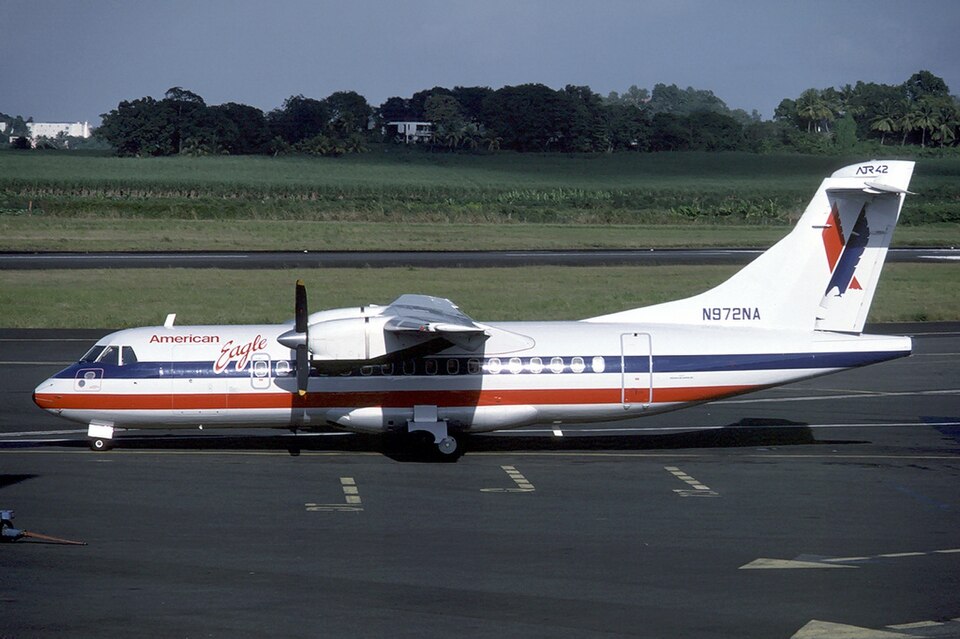
Sequence of Events
The pilot stated that the autopilot was engaged at 1,000 feet after takeoff. Following engagement, aileron trim was applied. The flight was subsequently given a heading change to the right. However, the autopilot heading bug did not turn correspondingly. At 2,200 feet, the pilot disconnected the autopilot, and the aircraft immediately rolled into a left 60-degree bank and began descending. In response, the pilot activated aileron trim to the right, and together with the copilot on the controls, they recovered the aircraft.
Data from the digital flight data recorder (DFDR) and radar indicated that the event occurred at 3,300 feet. For 45 seconds before the event, the ailerons were deflected 2 to 5 degrees to the right. After the descending left turn began, the pilots did not reduce engine power for 60 seconds, and the aircraft's speed exceeded 250 knots, which was the never-exceed speed (Vne).
Post-Incident Findings
A post-crash examination of the aircraft structure, flight controls, and autopilot system revealed no evidence to indicate any preincident failure or malfunction of these systems. Following the incident, the aircraft manufacturer restricted the use of aileron trim to 1 dot while the autopilot was engaged, whereas previously up to three dots had been allowed.