Incident Overview
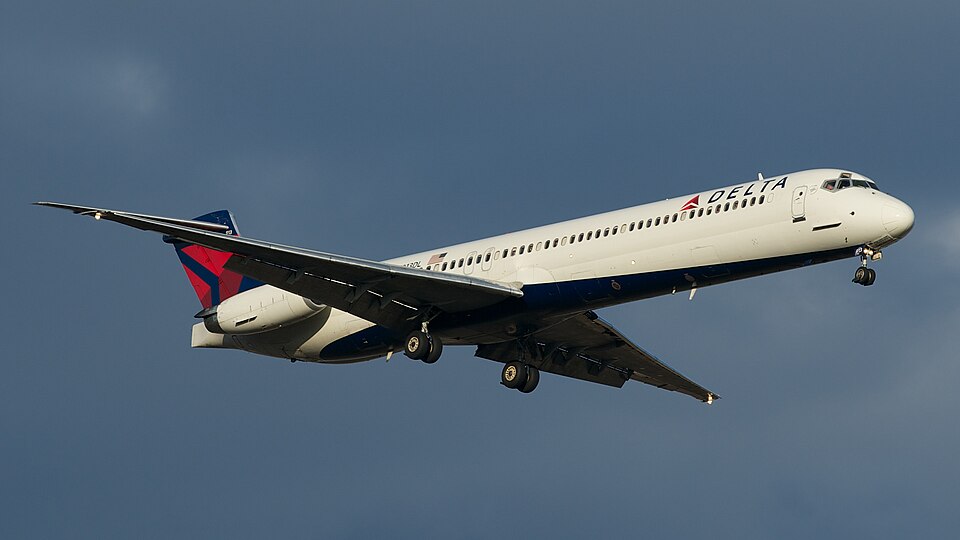
A cabin attendant suffered a fractured ankle during a hard landing. According to the investigation, the attendant was standing in the aisle when the airplane touched down, causing his ankle to twist and fracture.
Sequence of Events
Review of the cockpit voice recorder revealed that the captain signaled the cabin crew to prepare for landing approximately eight minutes and 37 seconds before touchdown. The injured cabin attendant stated that he was out of his jumpseat preparing a galley for landing when he realized the airplane was close to the ground. He was on his way back to his jumpseat when the airplane touched down.
Aircraft and Flight Data
The digital flight data recorder indicated that the airplane touched down at 124 knots indicated airspeed with a vertical velocity of 10.7 feet per second. The maximum vertical acceleration recorded at touchdown was 2.5 G's.
Injuries and Damage
The cabin attendant's ankle fracture was the only injury reported. The airplane was not damaged, and no other occupants were injured.