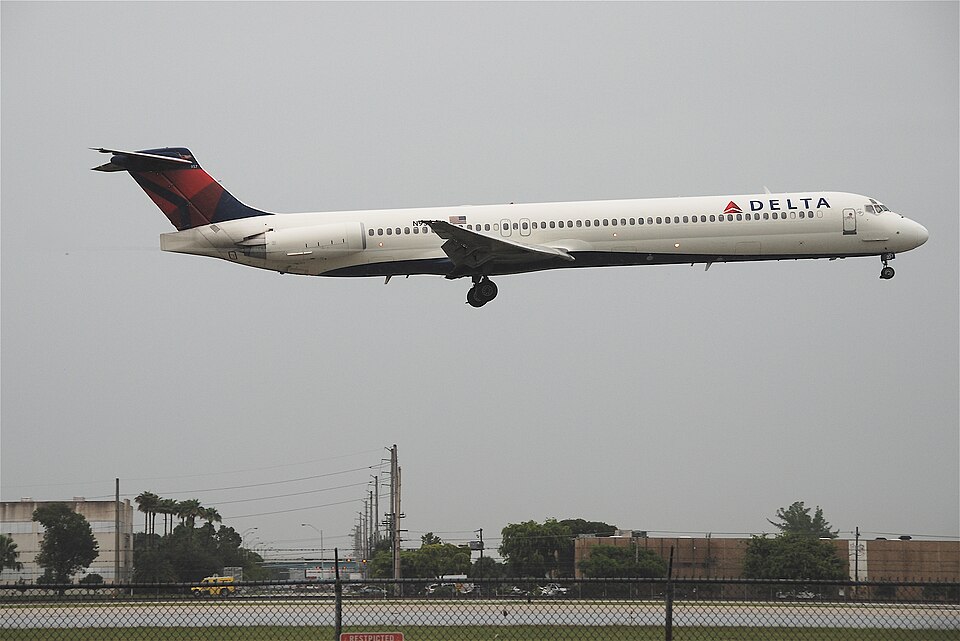
Hard Landing and Aircraft Damage During Approach

Casualties unknown • Denver, CO, US

An aircraft sustained substantial damage following a hard landing characterized by a significant vertical acceleration spike during the flare.

What happened

The pilot reported conducting what he believed to be a normal, stabilized approach using 28 degrees of flaps and a Vref speed of 133 knots plus 5 knots. During the flare over the runway, the pilot realized the sink rate was not being arrested as intended. In response, the pilot performed a more aggressive pull on the control yoke and advanced the thrust levers by a significant amount.

The aircraft subsequently experienced a hard landing that resulted in substantial damage.

The investigation

Data retrieved from the Digital Flight Data Recorder (DFDR) provided specific details regarding the flight parameters leading to the impact. The airspeed remained above Vref plus 5 knots until the aircraft reached a radio altimeter altitude of 238 feet, at which point the speed was 138.75 knots; following this altitude, the airspeed began to decrease.

At the moment of touchdown on the runway, the airspeed had dropped to 124.75 knots, and the pitch attitude was recorded at 10.62 degrees nose up. The investigation identified a +5.54 G vertical acceleration spike during the landing event.

Probable cause

The pilot's aggressive control inputs and thrust adjustments during the flare, following an unarrested sink rate, led to a hard landing.

Frequently asked questions

What happened in the 1996-02-04 Mcdonnell Douglas MD-88 accident near Denver, CO?

An aircraft sustained substantial damage following a hard landing characterized by a significant vertical acceleration spike during the flare.

What aircraft was involved and where did it happen?

The accident on 1996-02-04 involved a Mcdonnell Douglas MD-88, registration N957DL, operated by Delta Air Lines, at Denver, CO.

What was the probable cause of the accident?

The pilot's aggressive control inputs and thrust adjustments during the flare, following an unarrested sink rate, led to a hard landing.

Investigation report by the U.S. National Transportation Safety Board (NTSB) historical archive. Original record: https://carol.ntsb.gov/event/20001208X05244. This page is a structured re-presentation; facts and quotes are in the National Transportation Safety Board (NTSB), United States.

Loading the flight search…