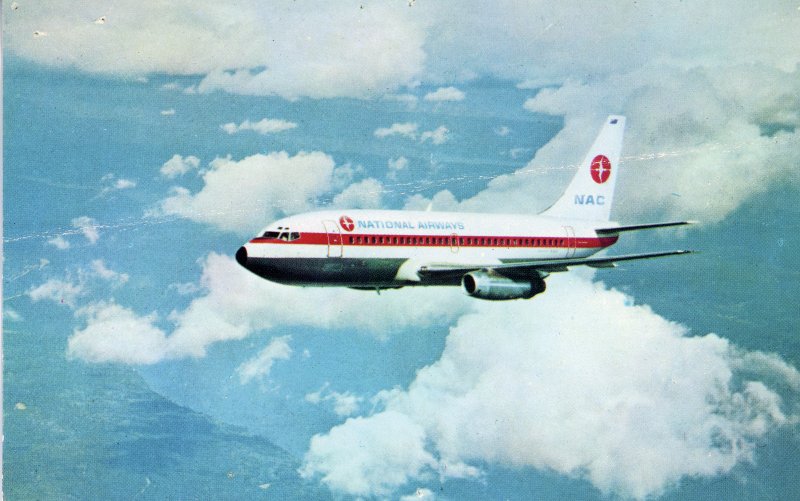
What happened
On May 5, 1998, a Boeing 737-282 aircraft, registered to the Fuerza Aérea del Perú but leased for a charter flight serving Occidental Petroleum, was operating in adverse weather conditions. The flight was attempting to land at Andoas, a remote town located in Peru near the Ecuadorian border. During the final approach phase, the aircraft encountered heavy rain and poor visibility. Despite efforts to complete the landing, the plane crashed into the terrain shortly before reaching the destination.
Investigation
The crash resulted in significant loss of life, with 75 individuals perishing on board. However, there were survivors; specifically, eleven passengers and two crew members managed to survive the incident. The investigation focused on the circumstances surrounding the approach to Andoas, noting the challenging environmental factors present at the time of the accident.
Findings
The primary outcome of the event was the high fatality count among those aboard the Boeing 737-282. The survival of thirteen individuals highlights the severity of the impact but also indicates that not all occupants were immediately fatal victims. The incident underscored the risks associated with charter operations in remote areas with difficult weather patterns and limited infrastructure.