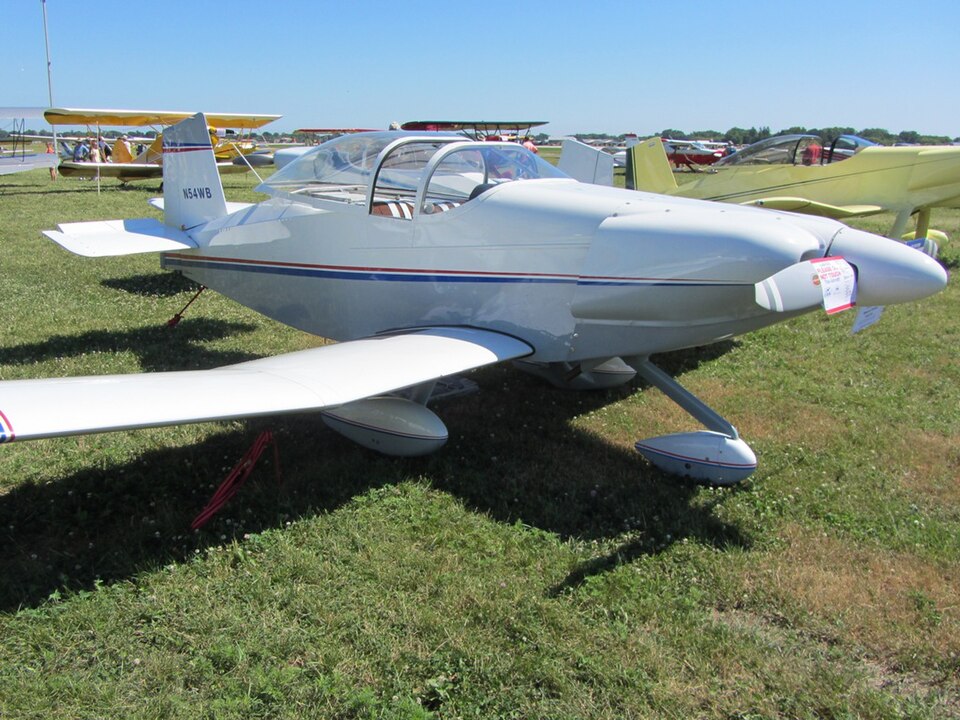
Event Description
During the initial climb, the airplane was observed to pitch nose-down, enter a spin, and subsequently impact terrain. The sequence of events occurred shortly after departure.
Witness and Pilot Accounts
A pilot who was current in the accident airplane reported that the altitude and location where the airplane entered the stall/spin would be consistent with where the landing gear would have been in retraction. According to pilots familiar with the accident airplane, the gear retraction procedure involved climbing to 1,500 feet above ground level, slowing the airplane to within 10 MPH of the stall speed (power-off, gear-down, flaps-retracted), and then manually actuating the gear lever to retract the landing gear.
Aircraft Stall Characteristics
Pilots who had flown in the accident airplane stated that when the airplane was held in a stalled condition, it would rapidly pitch down and bank sharply to the left. The designer of the airplane noted that during a power-on stall, the wing would drop "almost vertical," and that 300 to 500 feet would be lost during recovery from the stall.