Incident Overview
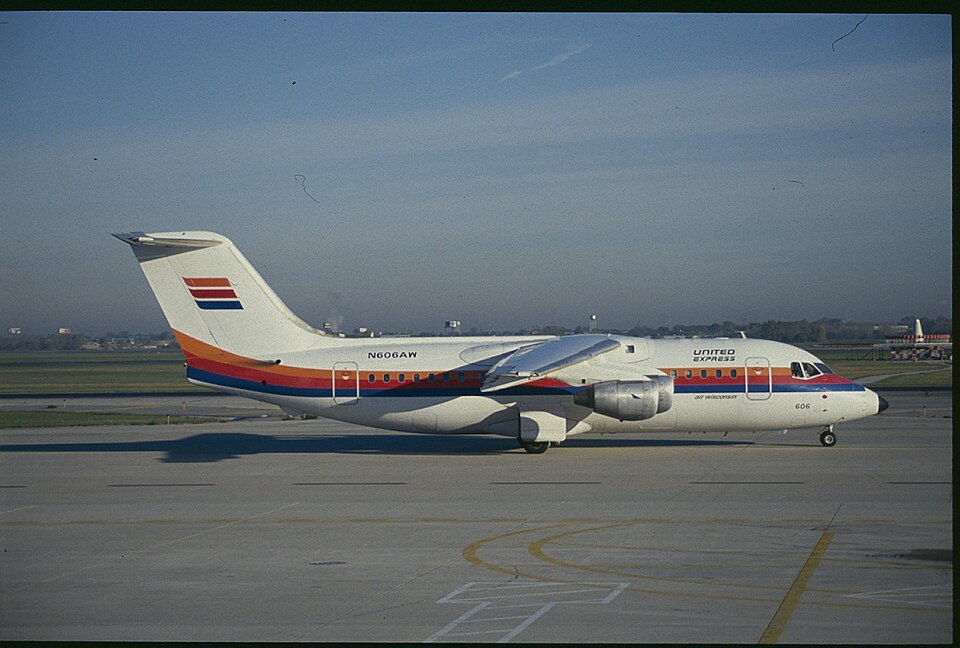
The airplane collided with the terminal building at O'Hare International Airport. The captain reported using procedures from the BAE 146 Pilot Operating Handbook to transfer fluid between the green and yellow hydraulic systems while the airplane was parked at the gate. He stated that he then set the parking brake and checked the hydraulic system pressure. The crew completed the before start, starting engines, and after engine start checklists, at which time the captain signaled to ramp personnel to remove the chocks. The airplane then started to roll forward. The captain reported that the parking brake was set and all four engines were running.
Attempted Braking and Collision
The captain stated that he attempted to use the green braking system and the emergency yellow brake system, but the airplane continued to move. He then selected the anti-skid switch to battery and positioned the thrust levers to fuel off. The airplane traveled approximately 50 feet before contacting the bottom of the upper level of the terminal and a lower level door at gate B-20C.
Post-Incident Investigation
A post-incident inspection of the brakes, hydraulic system, anti-skid system, squat switches, and related electrical system components failed to reveal why the airplane moved with the parking brake set. The initiation of the rolling event was not captured on the digital flight data recorder (DFDR), as the airplane is designed so that the DFDR does not record when the parking brake is set.
Operator Bulletins
On December 10, 1999, the operator issued an Alert Bulletin prohibiting flight crews from performing hydraulic system fluid transfers. On August 25, 2000, the operator issued another Alert Bulletin once again allowing flight crews to perform hydraulic system fluid transfers. On September 1, 2000, another Alert Bulletin was issued once again prohibiting flight crews from performing hydraulic system fluid transfers.