Casualties unknown

Smoke in Cockpit Prompts Emergency Landing; APU Oil Leak Found (N667FE)

Seattle, WA, US

On March 29, 2000, an Airbus Industrie A-300-600 (registration N667FE) was involved in an aviation accident near Seattle, WA. Investigators recorded the probable cause as: An oil leak from the aircraft's APU that subsequently contaminated the aircraft's environmental system. This summary draws on records from the U.S. National Transportation Safety Board (NTSB) historical archive.

Sourcesthe U.S. National Transportation Safety Board (NTSB) historical archivePrimary reportUpdated 2026-06-10Data APIEditorial standards
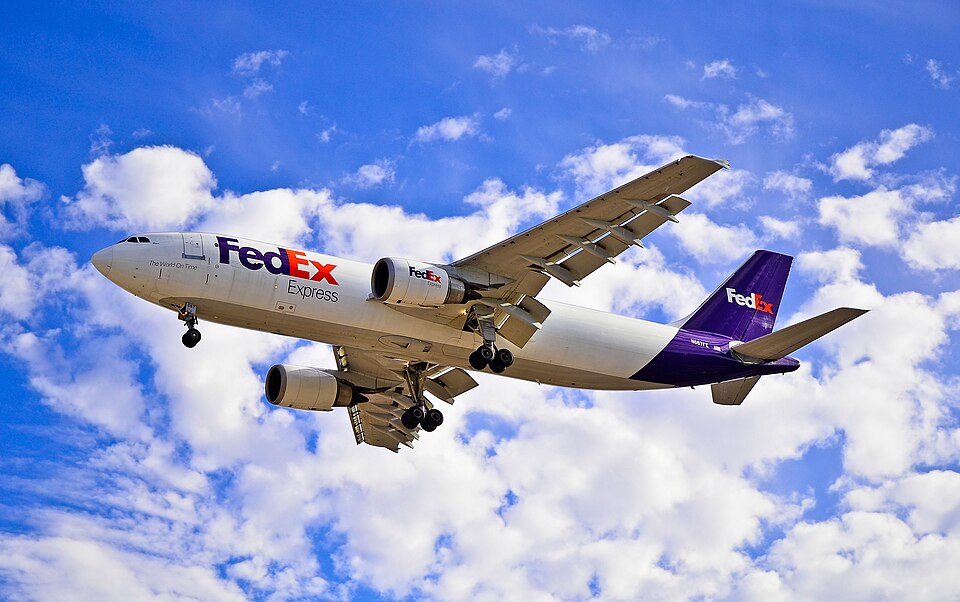
Aircraft registered N667FE
Aircraft registered N667FE. Photo: Tomás Del Coro from Las Vegas, Nevada, USA / CC BY-SA 2.0, via Wikimedia Commons

During final approach, a flight declared an emergency due to cockpit smoke. After landing, maintenance found an APU oil leak that contaminated the environmental system.

Incident Overview

While on final approach to an airport, a flight declared an emergency due to smoke in the cockpit. Shortly after declaring the emergency, the aircraft landed without further incident. The emergency was prompted by the presence of smoke, which the crew detected in the cockpit area.

Post-Flight Inspection

After landing, maintenance personnel performed a post-flight inspection of the aircraft. The inspection revealed a significant oil leak originating from the auxiliary power unit (APU). Additionally, the maintenance team reported that the oil leaking from the APU had contaminated the environmental system. This contamination was identified as the direct cause of the smoke in the cockpit.

Maintenance Findings

The oil leak from the APU was described as significant. The leaked oil entered the environmental system, leading to the smoke condition. No other abnormalities were noted during the inspection. The aircraft landed without incident following the emergency declaration.

Conclusion

The smoke in the cockpit was traced to an oil leak from the auxiliary power unit that contaminated the environmental system. The crew's response to the emergency and subsequent safe landing concluded the event.

Investigation report by the U.S. National Transportation Safety Board (NTSB) historical archive. Original record: https://carol.ntsb.gov/event/20001212X20733. This page is a structured re-presentation; facts and quotes are in the National Transportation Safety Board (NTSB), United States.