Overview
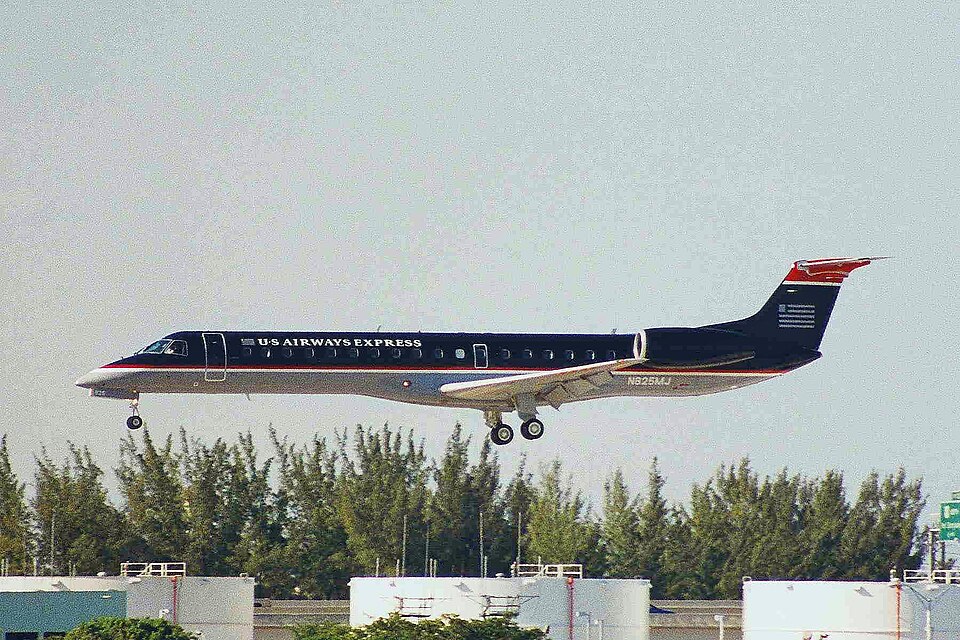
A commercial flight conducting a night visual approach to a Special Airport experienced a hard landing after the aircraft stalled during an unstabilized approach. The captain had briefed a "no go-around" for the approach, which the first officer knew to be based on an incorrect understanding of runway restrictions but did not challenge.
Sequence of Events
The approach was not stabilized, and airspeed decreased to the point of a stall. The airplane struck the runway in a nose-high pitch attitude, contacting the aft fuselage before settling onto the landing gear. After landing, the aircraft was taxied to the gate, where a post-flight inspection limited to the main landing gear did not reveal any damage.
Flight Crew Actions
The first officer made initial callouts of slow airspeed but stopped when the captain failed to respond. When interviewed, the captain explained that she briefed a no-go-around because no takeoffs were authorized on that runway at night or in instrument meteorological conditions (IMC). The first officer was aware this interpretation was incorrect but did not challenge the captain. The captain described the first officer as passive and quiet, while the first officer characterized the captain as defensive and unreceptive to criticism.
Training and Manuals
Both pilots had received crew resource management (CRM) training, which included crewmember assertiveness, methods of fostering crew input, situational awareness, and training on special use airports. However, neither pilot followed these principles during the flight. The captain's handling of the airplane was outside the parameters specified in the company manuals. Additionally, the company manuals did not contain a definition of stabilized approach criteria. An FAA Advisory Circular dated August 10, 2000, defined stabilized approach criteria and required actions if an approach is not stabilized.