What happened
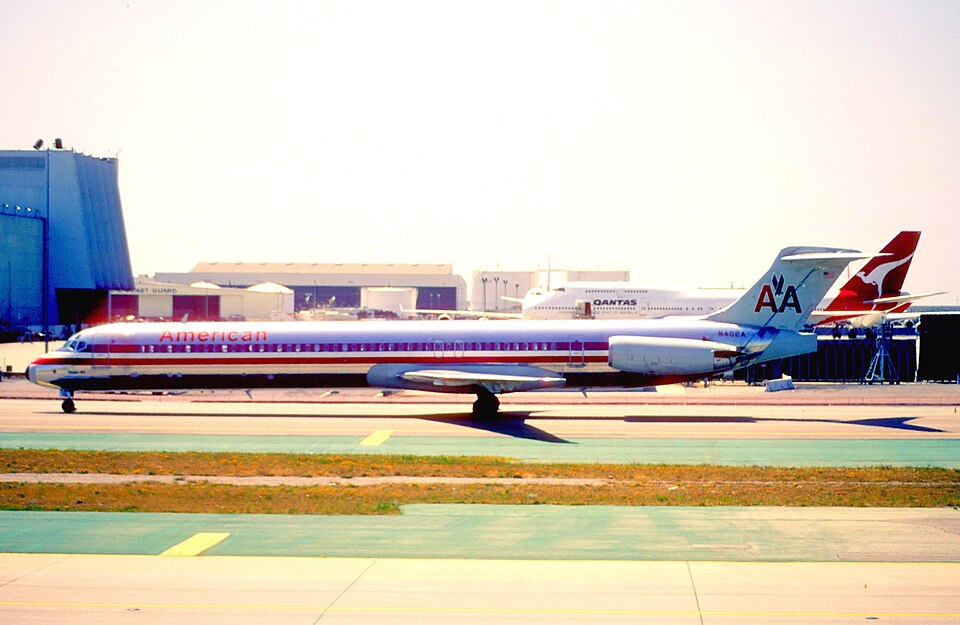
The aircraft was positioned on a ramp covered in ice conditions. Ground operations were underway as a tug vehicle began to push the airplane back from its parking position. During this maneuver, the tug encountered a patch of ice which caused it to lose traction and slide laterally to the left.
As the tug slid out of control, it struck the right side of the aircraft. The impact resulted in significant structural damage to the forward fuselage area. Specifically, the collision damaged the nose landing gear assembly. Additionally, the force of the impact compromised three longerons and two frames within the airframe structure.
The investigation
The incident occurred during ground handling operations rather than flight. The primary mechanical failure was not inherent to the aircraft's systems but was caused by external forces applied during the pushback procedure. The tug driver attempted to exit the vehicle as it began to lose control, prior to the moment of impact with the airplane.
Findings
The sequence of events indicates that environmental conditions played a critical role in the accident. The presence of ice on the ramp surface reduced friction for the tug tires, leading to the loss of directional control. This loss of control resulted in the tug deviating from its intended path and colliding with the stationary aircraft.
Safety message
Ground operations in cold weather require careful attention to surface conditions. Ice patches can create sudden loss of traction for heavy ground vehicles. Operators must ensure adequate clearance and control during pushback maneuvers when ramp surfaces are compromised by ice or snow.