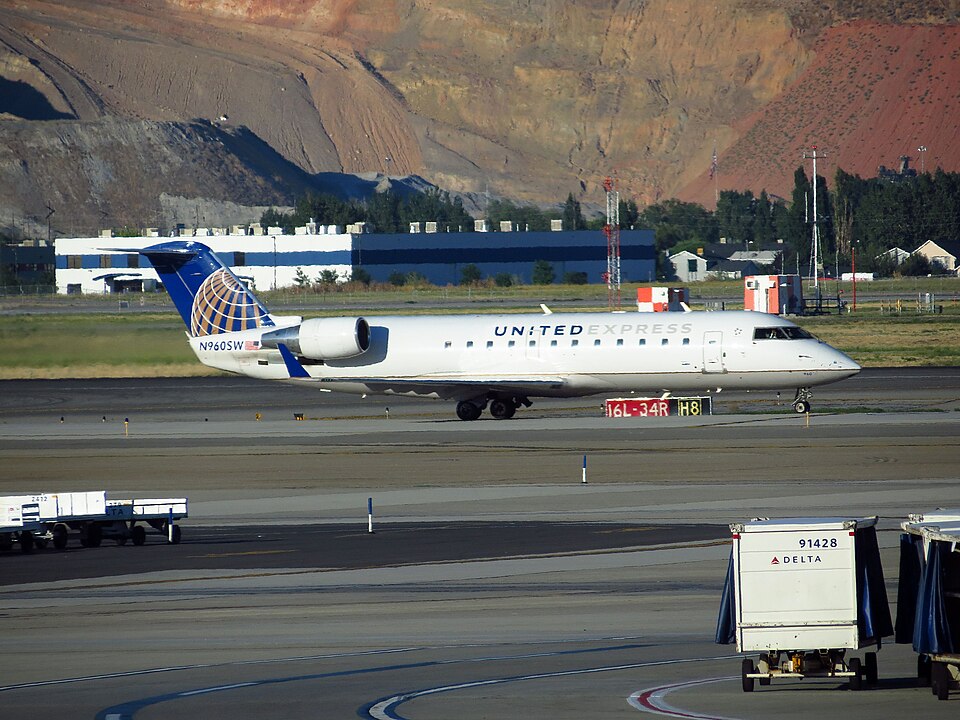
Incident Overview
During descent to the destination airport, the flight crew moved the landing gear handle to the extend position. The Engine Indicating and Crew Alerting System (EICAS) displayed a "gear disagree" warning, indicating that the main landing gear were down and locked but the nose gear was not fully extended. The pilots opted to divert to an alternate airport and began troubleshooting using the Quick Reference Handbook (QRH), including use of the manual release handle. Despite these efforts, the nose gear failed to extend. The airplane touched down on the main landing gear and the nose lowered to the ground as speed dissipated, resulting in damage to the aircraft.
Crew Actions and Data Analysis
Review of the cockpit voice recorder (CVR) revealed that the flight crew followed each step of the QRH checklist. Notably, they did not cycle the landing gear lever, and that action was not part of the QRH procedure at the time. The digital flight data recorder (DFDR) showed that the main landing gear transitioned to the down and locked position, but the nose gear remained partially extended between the uplocked and downlocked positions. The DFDR data also disclosed that hydraulic pressure remained constant throughout the extension attempt and did not exhibit the pressure changes expected with normal system operation. The only pressure changes observed were consistent with activation of the manual release system. No increase in brake pressure was recorded during the gear extension, indicating an absence of hydraulic backpressure on the retract side of the nose landing gear (NLG) actuator.
Component Testing and Simulations
Subsequent testing of NLG system components revealed no anomalies or malfunctions that could have precluded normal operation. Several simulations were conducted exploring various potential problem scenarios; however, none produced the hydraulic system and brake pressure readings matching the accident flight's DFDR data. Additional simulations and static analysis focused on the friction force of the uplock, specifically the interaction between the pin and the latch. These tests identified areas of potential problems with the NLG extension systems (both normal and manual) under adverse conditions, including friction within the system and the sequencing of hydraulic pressure application.
Fleet Data and Procedure Changes
A review of maintenance discrepancy databases for events where the NLG failed to extend into the downlock position found that the operator did not have a higher event rate of gear disagree messages compared to the worldwide fleet. Following the incident, Bombardier modified the QRH procedure, adding a step to specifically recycle the gear selector handle.