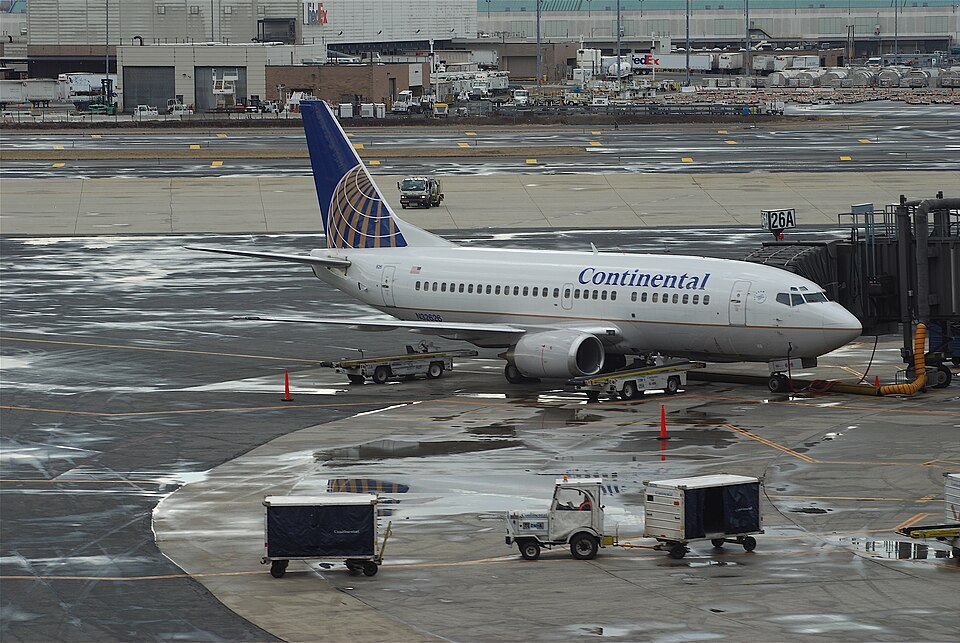
Incident
During a preflight inspection of a scheduled passenger flight, the flight crew discovered a puddle of fluid on the tarmac under the number 2 (right) engine. Airline station personnel, authorized by a senior maintenance controller, called a fixed base operator (FBO) to investigate the oil leak. Three FBO mechanics arrived.
After opening both fan cowl panels, the mechanics requested an engine run via the cockpit intercom to locate the leak. One mechanic stood on the inboard side, another on the outboard side, and a third observed as part of on-the-job training. The engine started and stabilized at idle for about three minutes. One mechanic then reported a small oil leak and requested a 70% power run for two minutes. The captain complied after verifying the area was clear.
About 90 seconds into the 70% power run, witnesses saw the outboard mechanic stand up, step into the inlet hazard zone, and become ingested into the engine intake. The captain immediately reduced power to idle and shut down the engine.
Background
The fatally injured mechanic had 40 years of experience and had received airline training on on-call procedures in 2004. The airline provided classroom, computer-based, and video training to contract stations, but specific training on ground engine run hazards was not provided.
The airline's general maintenance manual stated: "Engines will not be operated above idle at terminal or gate positions for maintenance purposes, unless specifically authorized by the local airport authority." A letter of agreement between the airport tower and operations, dated April 1996, restricted engine power to idle for a maximum of 5 minutes on apron areas. A priority memo reissued this on October 19, 2005, but neither document was distributed to the airline, FBO, or airport tenants.
Investigation Findings
The investigation revealed that the FBO did not contact the airline for required maintenance approval or documentation. The surviving mechanic stated that maintenance instructions were not needed because oil leaks were common and based on past experience. No safety equipment or lanyard was used by the mechanic.
Following the accident, the airline developed and implemented safety enhancements, including revised procedures and training for ground engine runs.