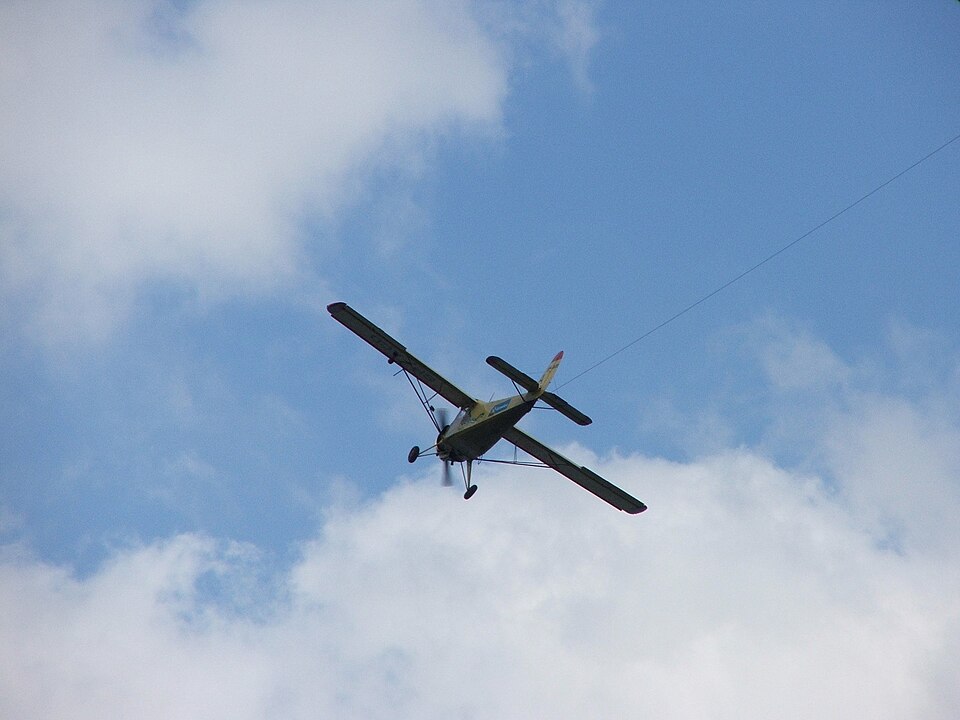
Incident Overview
On 21 July 2018, a Jak 12M towplane and an SZD-48 Jantar Standard 2 glider were involved in an incident at Żar airfield near Żywiec, Poland (EPZR). The aircraft were preparing for glider towing flights as part of the Górka Szybowcowa Żar gliding school operations.
Pre-flight and Takeoff
During the preflight briefing, pilots were informed that the towplane might experience radio transmission interference, but reception was confirmed as functional. The first designated tow pilot conducted a preflight inspection, started the engine, and performed a magneto check. During the run-up, he noted a drop in engine speed of more than 100 rpm on one magneto and deemed the aircraft unserviceable. However, he did not log the discrepancy in the aircraft technical logbook.
Approximately 20 minutes later, another pilot started the engine, warmed it, and conducted multiple 'burn-off' cycles at maximum rpm. The subsequent magneto check showed engine speed drops within normal limits on both magnetos, and all parameters were satisfactory. The pilot then taxied to the glider and commenced the takeoff for a thermal training flight.
In-Flight Event
After liftoff, during the climb, the tow pilot noticed uneven engine operation with rpm fluctuations of about 200 rpm. The aircraft was not climbing adequately. The pilot initiated a right turn toward the airfield and signaled the glider to release by rocking the wings. The glider pilot observed smoke emanating from the towplane's exhaust manifold, released the towline, and landed safely on the airfield. The tow pilot also landed safely on the airport apron.
Investigation Findings
The Polish State Commission on Aircraft Accident Investigation (PKBWL) determined the cause to be oil contamination of the spark plugs. Contributing factors included the lack of an entry in the technical log regarding the earlier engine unserviceability and the high ambient air temperature, which exceeded 30°C.
Recommendations
As a preventive measure, the investigating entity recommended that after prolonged low-rpm engine operation, pilots should perform a 'burn-off' cycle at engine speeds above 2,000 rpm to clear spark plugs. No additional safety recommendations were formulated by the Commission.