Incident Overview
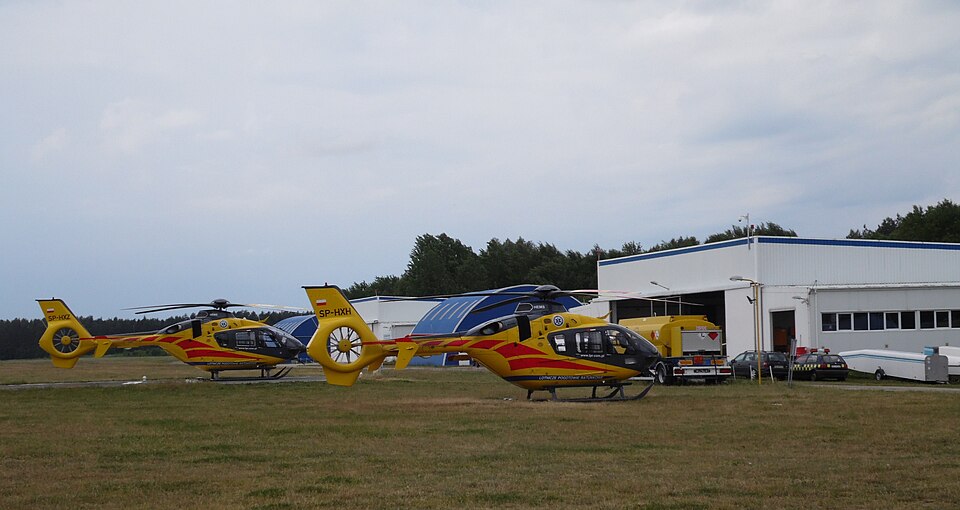
On February 4, 2019, at 11:21 local time, a HEMS helicopter (EC 135P2+) operated by the Polish Medical Air Rescue (LPR) responded to a medical call in the village of Grom, near Szczytno. The flight was conducted under VFR rules. The crew performed a landing site inspection according to the "Standardization of HEMS Crew Activities."
Sequence of Events
During the approach to land, a large piece of transparent foil was lifted from the snow cover. The foil had been hidden by the snow and was not visible before landing. The foil moved toward the main rotor area. After touchdown, the crew heard an unnatural sound from the rear of the helicopter. The pilot ordered the paramedic to check outside. The paramedic reported that foil was lodged in the fenestron (the ducted tail rotor). The pilot then shut down the engines and conducted an inspection, finding single scraps of foil on the drive shaft and fenestron blades.
Maintenance Actions
After notifying the operations center, the duty was suspended. A mechanic from the Babice base arrived and performed checks. Following inspection, the helicopter was grounded at the incident site. The manufacturer was consulted, and an inspection was recommended according to Alert Helicopter Directive TE-2019-EC135-00340 and Maintenance Schedule Manual 05-51-00, 6-16. During the inspection, technical personnel found deformation in the form of delamination of the flexible couplings at all three points on the long drive shaft of the tail rotor. The damaged components were replaced, a ground run was performed, and the helicopter was returned to service.
Findings
The incident involved foreign object debris (foil) entering the fenestron, causing damage to the tail rotor drive system. The foil was previously concealed by snow.
Probable Cause
The cause of the incident was the lifting of a transparent foil lying in the snow cover, which entered the fenestron and prevented further flight.