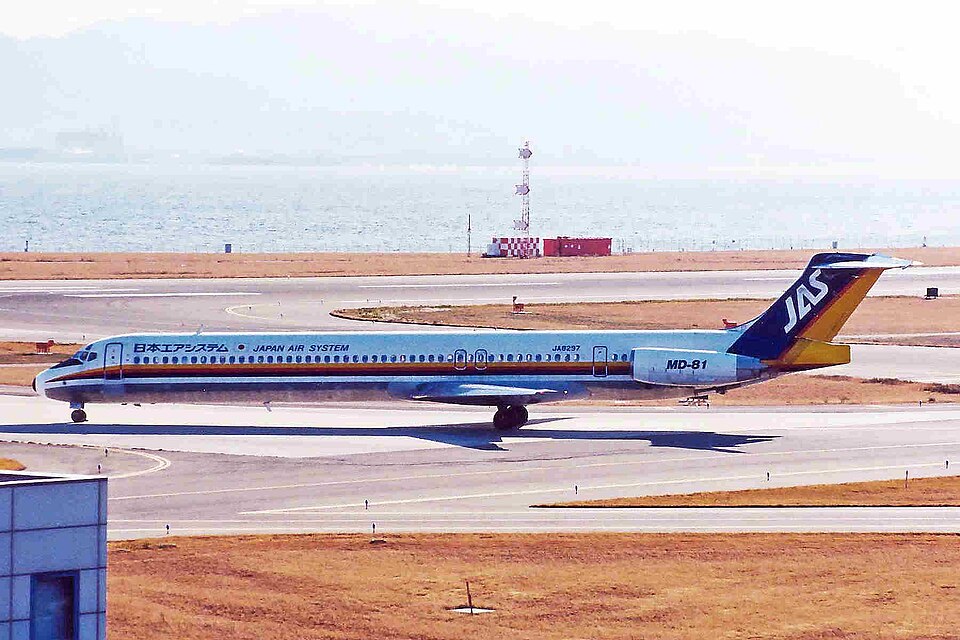
Flight History
On January 1, 2004, Japan Airsystem Flight 979, a Douglas DC-9-81 registered as JA8297, was on a scheduled flight. During the landing roll, the left main landing gear collapsed, causing the aircraft to stop on the runway. The flight data recorder and cockpit voice recorder were recovered and analyzed by the Aircraft and Railway Accidents Investigation Commission (ARAIC), along with air traffic control recordings.
Damage and Investigation
The aircraft sustained damage to the left wing, left engine, and the landing gear structure. The left wing contacted the runway after the gear collapse. No fatalities or injuries were reported in the source material. The ARAIC conducted the investigation with cooperation from the U.S. National Transportation Safety Board (NTSB) and the Federal Aviation Administration (FAA), as the aircraft was designed and manufactured in the United States.
Examination of Landing Gear
The investigation focused on the left main landing gear cylinder, which was found to have fractured. Laboratory examinations, including fracture surface analysis and material testing, revealed the presence of a fatigue crack that had propagated over time. The crack initiated from a surface flaw on the cylinder's inner bore. The cylinder material and surface finishing processes, such as shot peening and grit-blasting, were examined. The investigation also reviewed the maintenance history of the landing gear, including previous inspections and overhaul procedures. Similar cracks had been found on cylinders of other aircraft of the same type, and the manufacturer had previously issued service bulletins and airworthiness directives related to landing gear cylinder inspections.
Manufacturer and Regulatory Actions
The manufacturer, after previous landing gear collapse accidents involving the DC-9 series, had taken actions including design changes and inspection mandates. Following this accident, further recommendations were made to improve crack detection methods and inspection intervals. The ARAIC's analysis concluded that the collapse was due to the fatigue fracture of the left main landing gear cylinder, but the official probable cause statement from the report is not available in the provided source material.