Synopsis
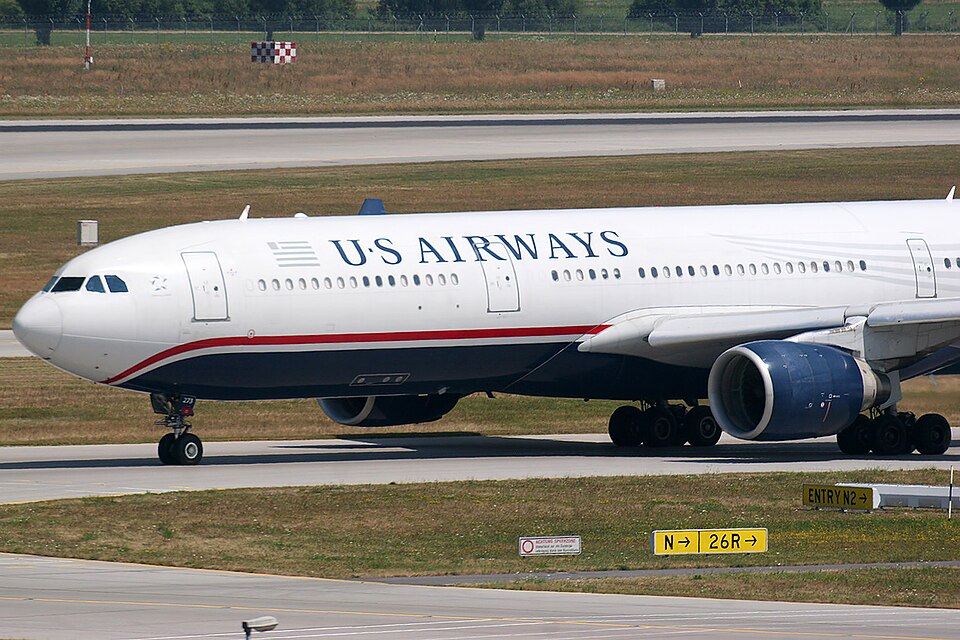
On 5 February 2015, an Airbus A330-323, registration N273AY, was involved in a ground incident at Stand 325 of London Heathrow Airport. The aircraft, operated on a commercial passenger flight with 12 crew and 156 passengers, sustained damage to its No 1 engine and the front engine cowl after striking the airbridge. No injuries were reported among crew or passengers.
History of the Flight
The commander taxied the aircraft onto Stand 325 under the direction of the stand's parking guidance system. After observing a stop message, he set the parking brake and completed the shutdown procedure. Subsequently, he observed an ok message on the guidance system, indicating correct parking, and believing chocks were in place, he released the parking brake.
The ground crew initially placed a chock behind the nose wheel after seeing the parking brake light illuminate. They then noticed the aircraft beginning to move and quickly withdrew to a safe location. The commander heard a verbal warning of movement and immediately applied the toe brakes and reset the parking brake. At the time, he was unaware that the aircraft had contacted anything. The aircraft had rolled approximately 0.4 meters, as measured by the stand guidance system.
Aircraft and Operator Information
The aircraft was an Airbus A330-323, manufactured in 2000, equipped with two Pratt & Whitney PW4168A turbofan engines. The commander held an Airline Transport Pilot's Licence, was 61 years old, and had 26,748 total flying hours, including 2,706 hours on type. The operator subsequently sent a message to all crews on 9 February 2015, instructing them to keep the parking brake set when arriving at gates at all European stations until a ground handler audit was completed.
Stand and Ground Crew Procedures
Stand 325 has a surface that slopes towards the terminal building with a gradient of approximately 0.86%. The stand guidance system displays an ok message when the aircraft is correctly positioned. Normal ground crew practice at Heathrow is to chock the rear of a wheel first, as most stands slope away from the terminal; however, this stand slopes toward the terminal.
Commander's Comments
The commander stated that he believed the incident resulted from the ramp slope and a mix-up with the airline's procedures, specifically the lack of a chock signal procedure.
Discussion
The release of the parking brake by the commander, who believed chocks were in place, was contrary to the operator's earlier message to crews. Due to the stand's downward gradient toward the terminal, the aircraft began rolling forward until the left engine cowl contacted the airbridge and the commander applied the toe brakes.