Incident Overview
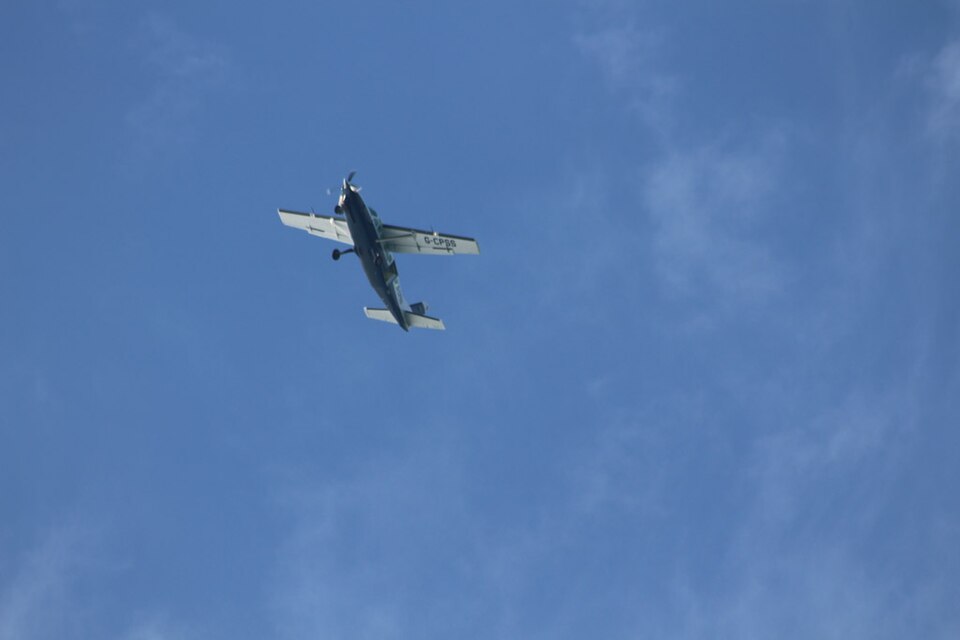
On 23 March 2024, a Cessna 208B (registration G-CPSS) was on a private ferry flight following maintenance. About seven minutes after takeoff, while passing over Cranfield Airport at 3,300 ft, the engine low oil pressure warning light illuminated. The pilot diverted to Cranfield, executing a left turn and fast descent. During the descent, smoke was observed from the engine exhaust. The aircraft landed normally on Runway 21, but smoke continued and increased when power was reduced to idle. After taxiing off the runway, the pilot shut down the engine and noticed what appeared to be flames in the right exhaust. Airport fire services discharged three CO2 extinguishers into the exhaust. The aircraft was towed to a parking stand.
Engine Examination
The engine was sent to the manufacturer in Canada. Investigators found a large amount of oil and water in the exhaust duct. The drain plug hole was clogged with carbon; after removal, liquid drained freely. Disassembly revealed a crack in the power turbine vane outer ring and significant corrosion that had created two holes in the Reduction Gearbox (RGB) rear housing. The manufacturer determined these holes were the source of the oil loss.
Failure Mechanism
The manufacturer explained that the exhaust duct drain plug is intended to allow water to drain after engine washes. Increased wash frequency had been recommended to combat turbine blade sulphidation and salt corrosion. However, the manufacturer observed rising corrosion in the RGB housing when the drain plug was not removed or the hole became blocked, preventing water drainage. In March 2013, a Service Information Letter (SIL PT6A-206, revised 2016) reminded operators to remove the plug and ensure free drainage. In January 2024, a warning was added to the Engine Maintenance Manual, along with a step to confirm wash liquid draining.
Maintenance History
The aircraft's maintenance was subcontracted to a Part 145 provider. About five years prior, the operator experienced blade corrosion issues, leading to early engine overhauls. Following advice from their Continuing Airworthiness Management Organisation (CAMO) and a repair facility, they instituted weekly compressor washes. This process did not follow the Approved Maintenance Manual (AMM) and omitted drain plug removal. Washes were not documented, and pilots performing them did not issue a Certificate of Release to Service. The operator stated they were instructed by demonstration and were unaware of the drain plug requirement or that the task constituted maintenance requiring certification. The Part 145 provider noted that not all PT6A variants have a removable drain plug, possibly causing confusion. They considered a desalination wash on small/medium engines a simple task not requiring complex procedures.
Regulatory Context
UK Part 145 regulations allow pilots with ATPL or CPL to carry out limited certification authorisation for certain minor tasks when away from a supported location, but the CAA considered engine compressor washing to be a complex task outside that scope. It also falls outside pilot-owner approved maintenance under Part-M. Following any maintenance, a Certificate of Release to Service must be issued by authorised certifying staff. The investigation also noted that the Australian airworthiness authority had issued a bulletin to clarify requirements on this issue.
Conclusion
The corrosion was directly attributed to numerous unapproved engine compressor washes performed without removing the drain plug, a known issue previously addressed by manufacturer communications.