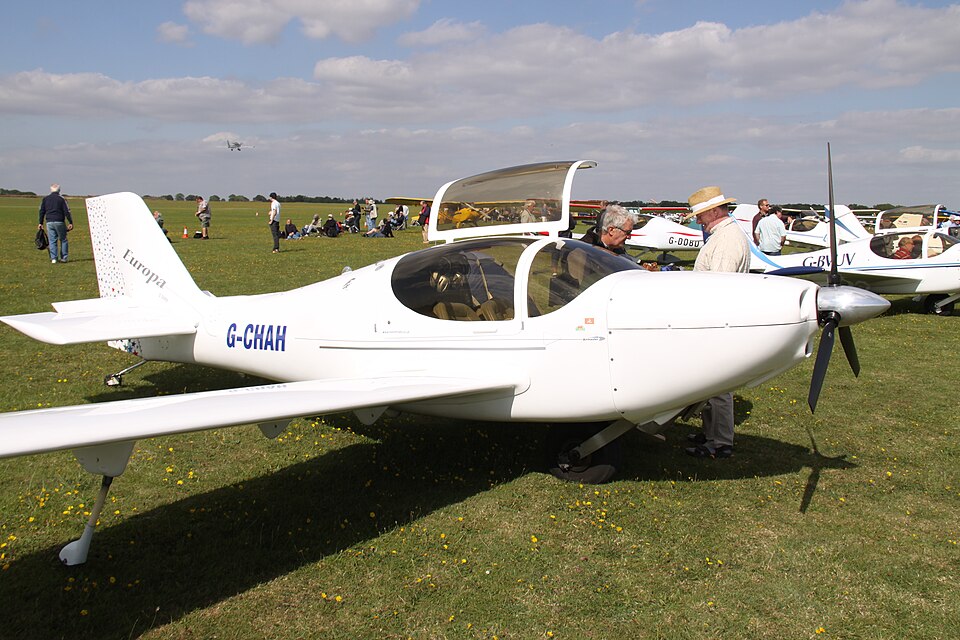
History of the Flight
Immediately after takeoff at approximately 60 ft agl and 60 kt, while retracting the landing gear and flaps, the engine lost power but continued running roughly. The pilot pushed the nose down and closed the throttle in case the engine recovered, then landed on the remainder of the runway. During landing, the partially retracted main wheel was pushed into its well, and the aircraft came to a stop on the right side of the runway. The propeller, nose cowl, and right wingtip were damaged. The pilot vacated the cockpit uninjured.
Engine Examination and Causal Factors
An engineer examined the engine and found that an O-ring seal in the induction system had become displaced. The induction system consists of a plenum chamber with six induction pipes branching to the inlet ports on each cylinder. The pipes are sealed into the outlet orifices of the plenum chamber with an O-ring seal and a bead of gasket sealant. One of the four O-ring seals was displaced, preventing an airtight seal and allowing air to be drawn into the induction system, which adversely affected the fuel-air ratio. The displacement may have been caused by slight movement or shrinkage over time of one of the neoprene flexible joints on the induction pipes.
The organisation that maintained the engine has encountered similar problems on other Jabiru engines and considers that the method of assembly detailed in the manual, although correct, can be misinterpreted. Accordingly, the maintenance organisation is producing illustrated guidance to owners.