History of the Flight
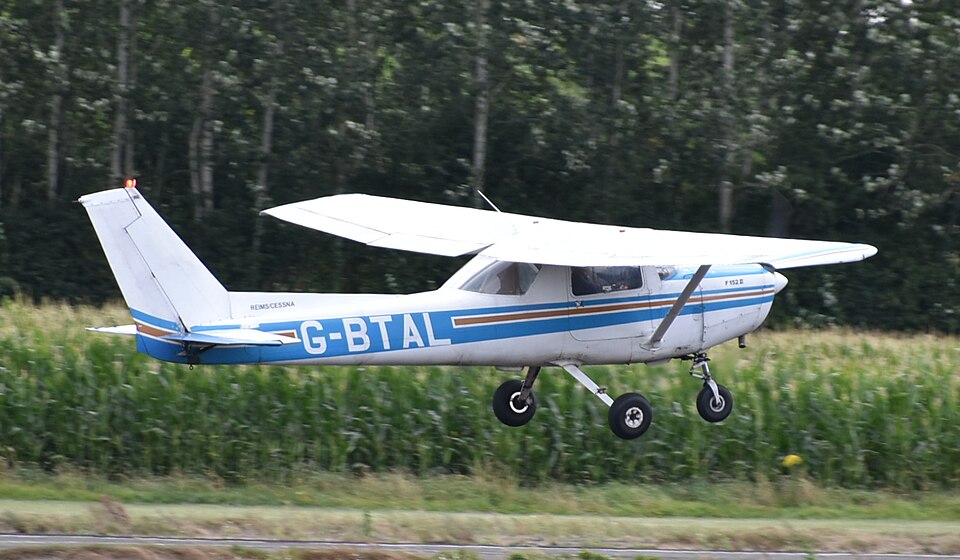
The pilot, who had not flown for several months due to public health restrictions, planned to complete three circuits to regain recency. The first two circuits were uneventful. During the third takeoff with flaps up and full power, as the aircraft reached 300–400 ft, the engine lost all power. The pilot described it as feeling like someone had pulled the throttle to idle. He immediately lowered the nose and selected a field slightly to his left. The power briefly returned then reduced again, but he decided to close the throttle and treat it as a complete failure. After a MAYDAY call, he focused on landing. The pilot landed with flaps up in a slight crosswind. Upon touchdown, he noticed a ditch crossing the aircraft’s track and pulled back on the control column to pass over it. Clear of the ditch, he brought the aircraft to a halt and shut down the engine. The aircraft was not damaged, and the pilot exited normally.
Aircraft Examination
Maintenance personnel recovered the aircraft and conducted a detailed inspection. They were unable to identify the cause of the power loss but suspected carburettor icing. Inspections included checking fuel filters and draining fuel tanks. No contamination was found in the filters, but a 5–6 inch piece of tape was discovered in the fuel tank. However, it was not thought to have affected fuel flow. How the tape entered the tank was not determined. The aircraft was returned to service, and no further engine problems were encountered at the time of writing.
Carburettor Icing
At the time of the incident, the air temperature was 29°C with a dew point of 17°C, conditions suggesting serious carburettor icing was likely at descent power. The pilot reported using carburettor heat for at least 10 seconds while flying downwind without detecting any icing. He selected carburettor heat again before reducing power for descent and kept it on until landing.
Managing Partial Power Loss After Takeoff
The pilot had been trained to consider all possible outcomes and had thought through engine failure scenarios before the event. He always briefed himself on actions in case of engine failure prior to each takeoff. He had recently completed ATPL ground exams and read articles and reports about managing engine failures, which taught him to treat a partial failure as a complete one, not to turn back to the airfield, and to prioritize flying the aircraft.
Analysis
The pilot attributed the safe outcome to having planned and reviewed his actions before takeoff, which freed mental capacity to focus on flying when the event occurred. He treated the partial failure as a complete failure and refrained from attempting to turn back, instead selecting a field ahead and focusing on landing. The reason for the engine failure was not determined, but carburettor icing was considered a possible cause.