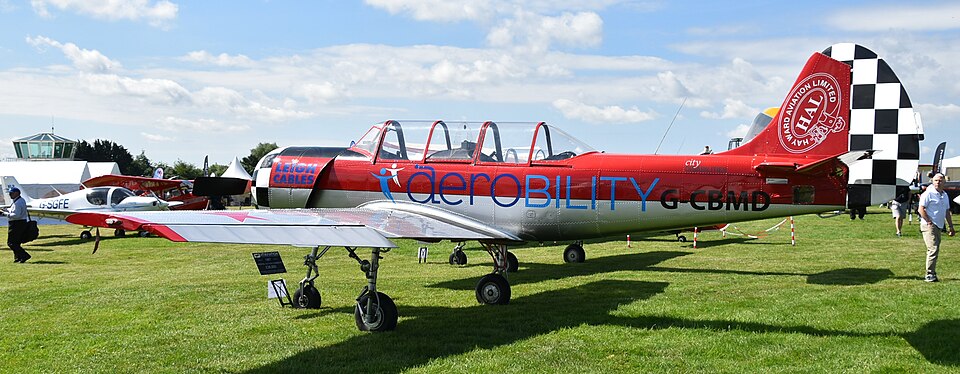
Incident Overview
On 3 May 2014, a privately operated Yakovlev Yak-52 (registration G-CBMD) experienced a landing gear misselection while taxiing after landing at Rochester Airport, Kent. The single-engine aircraft, powered by an Ivchenko Vedeneyev M-14P piston engine and built in 1982, was completing a local flight and had landed on Runway 02.
Sequence of Events
As the aircraft taxied toward the runway exit, the pilot intended to retract the wing flaps but inadvertently operated the landing gear selector. This action caused the landing gear to partially retract, resulting in the rear of the aircraft and the left wingtip slowly sinking to the grass surface. The incident resulted in slight damage to the left wingtip and aileron.
Pilot Information
The commander, aged 55, held a Private Pilot’s Licence and had accumulated 503 total flying hours, of which 385 were on the Yak-52 type. However, his recent flying experience was limited: only 1 hour in the last 90 days and no hours in the last 28 days. His most recent flight prior to the incident was in a PA-28 aircraft in April 2014, marking his only flight since December 2013.
Contributing Factors
The pilot attributed the accident to human error. The investigation noted that a significant contributory factor was the pilot’s lack of recent flying on type, given his infrequent operation of the aircraft.
Damage and Injuries
There were no injuries to the sole occupant (the pilot), and no passengers were on board. The aircraft sustained only slight damage to the left wingtip and aileron.