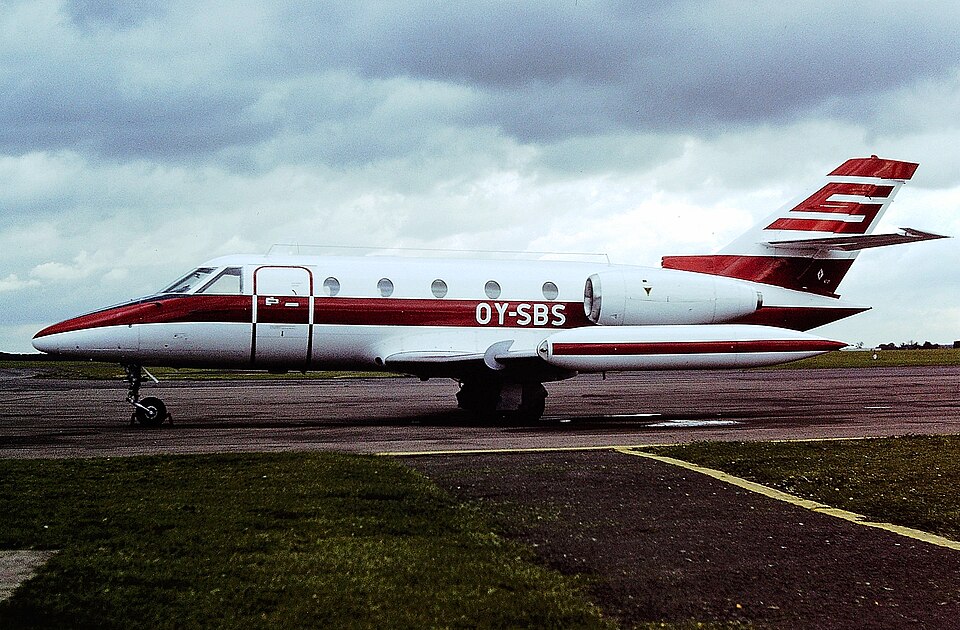
Accident Overview
A twin-engine airplane on an on-demand taxi flight from Copenhagen to Nice, with intermediate stops in Stockholm and Coventry, crashed into the sea approximately one kilometer short of runway 05 threshold at Nice-Côte d'Azur Airport. The aircraft was carrying members of the Corporate of the Swedish Group Atlas Copco. On final approach, during the last turn, the airplane stalled and impacted the water. Few debris were found floating on the surface, while the main wreckage sank in a canyon at a depth of about 1,500 meters.
Events Leading to Crash
The flight originated in Copenhagen, Denmark, with planned stops in Stockholm, Sweden, and Coventry, United Kingdom, before continuing to Nice, France. While maneuvering on final approach, the aircraft entered a stall. Both engines ceased operating nearly simultaneously. The stall occurred low to the ground, and the aircraft was unable to recover before hitting the sea.
Investigation and Probable Cause
The official investigation determined that the accident resulted from a stall on final approach that occurred after both engines stopped quite simultaneously. Investigators were unable to determine the exact cause of the right engine failure. However, it is believed that the left engine stopped following the failure of the accessory drive gearbox. This failure was attributed to the evolution of fatigue cracks that had been observed on other engines of the same type. All 10 occupants were killed in the accident.