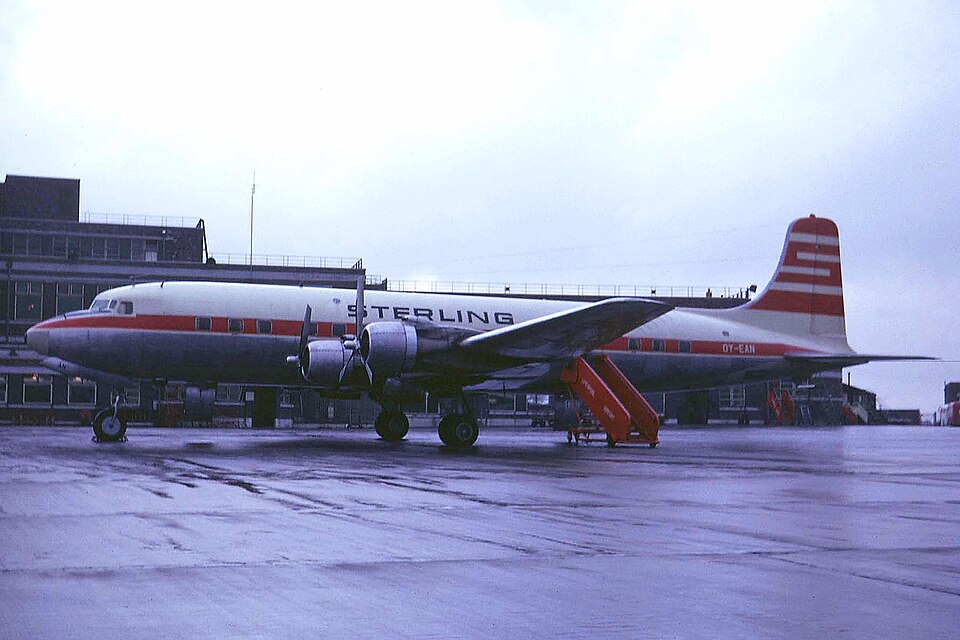
Incident Overview
Flight NB821, a non-scheduled air transport operation, departed from Stockholm-Arlanda Airport at 0637 hours GMT on 23 December 1967, bound for Gothenburg-Torslanda Airport. The flight was conducted in accordance with an approved flight plan.
Approach and Landing
The first approach to the destination airport was discontinued at critical height due to insufficient visual references. During the second approach, the pilot-in-command took control of the aircraft at a low altitude and proceeded to land. The aircraft touched down heavily on runway 22 approximately 3,000 feet after the threshold at 0801 hours GMT.
Damage and Evacuation
The aircraft sustained substantial damage from the heavy landing. All 55 occupants on board were evacuated safely.
Probable Cause and Contributing Factors
The official investigation determined that the cause of the accident was non-regulative use of reverse thrust before firm ground contact. Several contributing factors were identified: the pilot-in-command took over the controls just after the co-pilot had started to level off at minimum altitude; the approach was high; the touchdown occurred 3,000 feet past the threshold; the pilot-in-command applied reverse power before ground contact; and the pilot-in-command's action was most probably affected by the high approach and the short runway.